
Tracing the source of moisture in renovated houses: a technical path from symptoms to reconstruction of the waterproofing system
In renovation projects, "blackened wall base", "bubbled paint" and "carpet smell" are often simply attributed to "the weather is too humid" or "the waterproofing is not done properly". In coastal and riverine areas of Queensland, external ambient humidity is indeed high, but most persistent problems can still find verifiable explanations at the level of building physics: rainwater infiltration paths, capillary rise, condensation interfaces, slow penetration of pipes or improper discharge of air conditioning condensate, etc. Our first step is not to immediately quote a price for waterproofing, but to establish a chain of evidence to correlate symptoms with time, wind direction, rainfall events, and usage habits.
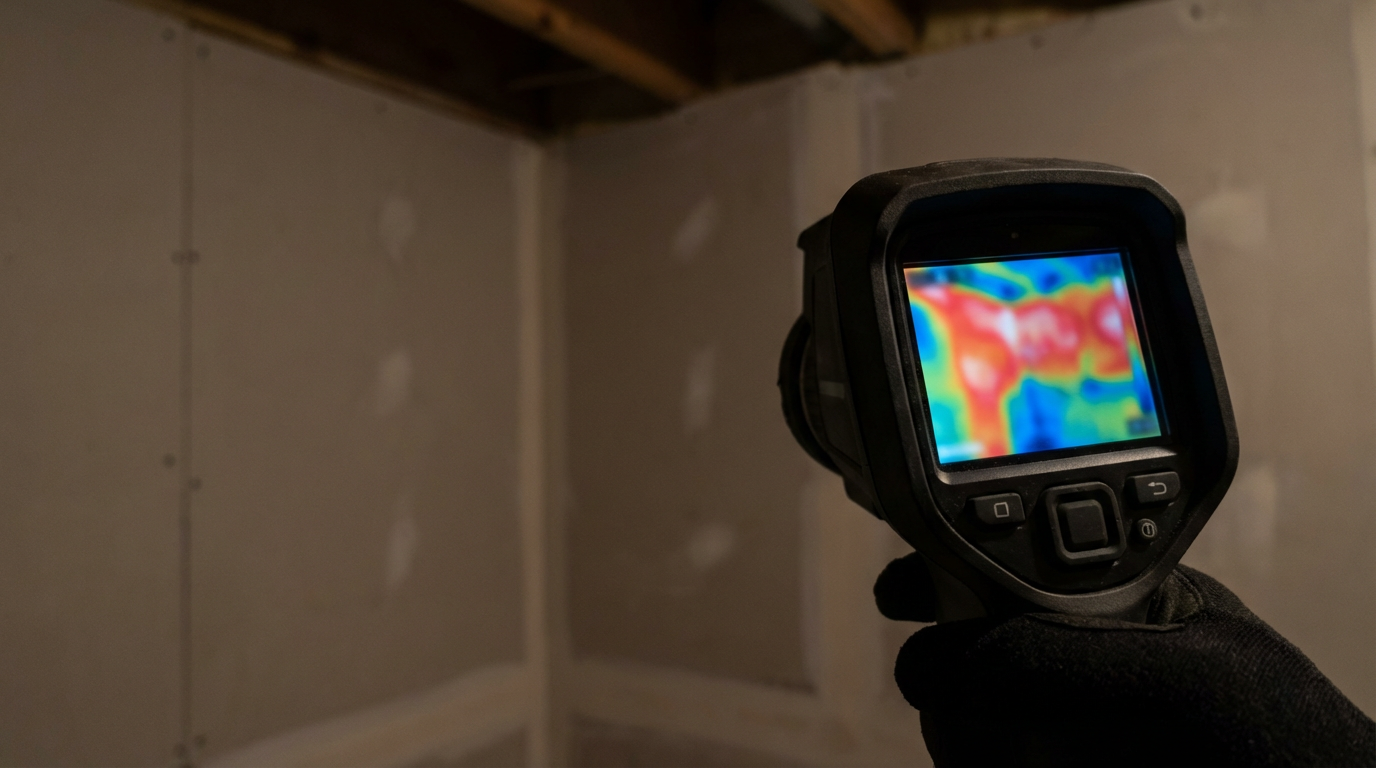
During site surveys, we differentiate between surface symptoms and structural moisture content changes. Infrared thermal imaging and surface temperature gradient can provide clues, but in the end it still needs to be selectively opened locally to verify: whether there are mud lines on the inside of the insulation layer, whether there is salt analysis in the mortar layer, whether the wood reinforcements are black but the structural strength can still be retained. This process requires clarifying the scope and restoration responsibilities of the "exploratory opening" with the owner to avoid misunderstandings. We insist on diagnosis first and then construction, because blind overall stripping not only wastes the budget, but may also destroy components that are still capable of serving.
When it is confirmed that the leakage comes from the failure of the roof gutter or the insufficient flashing height of the external wall, the repair strategy should return to the reconstruction of the drainage path: cornice dripping, slab end sealing, wall casing slope and balcony drainage slope must form a system, rather than just replacing the surface sealant. The intensity of rainstorms in Queensland is strong, and short-term water accumulation puts great pressure on the joints of low-slope roofs and flat roofs; if only partial patches are made, it will often recur in the next rainy season. Our approach is to guide rainwater away "before it enters the enclosure" and leave a dry cavity or room for ventilation in the structural layer. The specific method depends on the structural form and the compatibility of existing materials.
For capillary rise, common causes are that the outdoor ground elevation is raised during later paving, or that the garden is covered with soil and attached to the wall, causing the moisture-proof layer to be bypassed. Treatment may require re-establishing moisture-proof continuity, adding blind drainage ditches, or adjusting the landscape slope. When such projects involve the relationship between boundaries and municipal sidewalks, it is also necessary to evaluate whether relevant permits are involved. We will put "landscape and waterproofing" in the same interface table during the planning stage to prevent the garden construction team from covering key nodes without knowing it.
Condensation problems often occur in rooms with insufficient insulation or high indoor steam loads, such as laundry rooms without ventilation and storage rooms with doors closed for long periods of time. Solutions include increasing the temperature of the inner surface of the enclosure (insulation), reducing indoor vapor (exhaust), or using controllable vapor barrier materials at key interfaces. What needs to be emphasized is that any approach that "only blocks but does not drain" may shift the location of the problem. The company prefers to use a calculated risk assessment to underpin material selection rather than empirically stacking multiple layers of moisture barrier membranes.
Slow leakage of pipes often appears delayed under the keels of wooden floors or behind cabinet skirtings. Homeowners may first notice slight arching of the floor or rusted hardware rather than water damage on the wall. We recommend using a humidity probe in the suspected area to compare the readings and perform a correlation analysis in conjunction with the water usage schedule (washing machine, dishwasher operating hours). Blindly replacing visible finishes without addressing hidden leaks can recur within months.
If the slope of the air conditioning condensate drain pipe is insufficient or the outlet is covered by landscaping, water will flow back or flow along the exterior wall and be mistaken for rainwater leakage. Such problems are low-cost to repair but difficult to locate. It is necessary to check the bracket spacing and turning radius along the entire pipeline. We require that records of drainage tests be kept during the mechanical and electrical installation stage and photos taken before the decoration is closed.
Signs of termite activity sometimes coexist with moisture, but treatment strategies differ. If large-area pesticides are sprayed or woodwork is dismantled before prioritization is made, structural judgment clues may be obscured. When necessary, we will bring in a certified pest management consultant to evaluate the waterproofing plan in parallel to avoid cross-operation interference.
Hollow tiles and blackened caulks do not necessarily mean the overall failure of the waterproof layer, but may also be caused by moisture in the bonding layer or movement of the base layer. Before partial replacement of ceramic tiles, you should confirm whether the continuity of the shower area waterproof membrane can still be relied upon; if the membrane layer has aged, partial tiling will only be beautiful in the short term.
The areas around the glass roofs of basement ventilation shafts and lighting wells are high-risk areas for rainwater infiltration. Water often enters from the corners after the sealant has been aged by UV rays. During maintenance, it is necessary to also check whether the drainage channel is blocked by fallen leaves and whether the deflection of the glass plate causes the sealing strip to be stretched for a long time.
If the flash flakes at the intersection of the metal roof and the brick wall are extruded and deformed by the later addition of gutters or photovoltaic trunking, a capillary siphon channel will be formed. Details like this require redoing the flash geometry after removing the interference piece, rather than just applying sealant.
If an indoor swimming pool or large steam shower is not equipped with independent moisture removal and containment steam control, moisture can migrate to adjacent bedrooms through ceiling access openings. We recommend establishing the concept of "humidity zoning" around functional rooms, and specifying recommendations for exhaust volume and operating time in the scope of the contract.
The connection between temporary and permanent waterproofing during renovation is often overlooked. For example, if it rains after removing the old roof tiles, if no effective roof covering is used, the rainwater can enter the wall cavity along the rafters. Even if the new roof is completed later, the wall may still contain water for a long time. We require that weather windows and emergency coverage plans be developed before demolition processes.
Insurance claims and warranty terms often require evidence of "reasonable maintenance" and "timely repairs." We encourage owners to take photos and record the date when the first symptoms are noticed, and to retain correspondence with the property or contractor. Professional builders can also restore the timeline faster when they intervene.
Some older homes use asbestos-containing materials, and partial opening may trigger occupational health and disposal regulations. We will not rashly demolish large areas without taking samples according to regulations. If it is suspected, a qualified agency should be entrusted to inspect and formulate a safe dismantling plan before discussing the scope of waterproofing reconstruction.
When moisture and foundation movement cracks coexist, it is necessary to determine the primary and secondary relationships. If you simply seal the cracks without dealing with drainage and the moisture content of the backfill soil, the cracks will still develop. Structural engineers and waterproofing professionals should share the same set of on-site photos and monitoring data to avoid each drawing isolated conclusions.
In the construction of waterproofing system reconstruction, process discipline is more important than brand. Substrate moisture content, cleanliness, primer compatibility, lap width and corner reinforcement geometry are all common failure points. We require key nodes to be confirmed by on-site self-inspection and trace photos before being closed, and to set clear "stop points" at the subcontracting handover interface: the previous process cannot be overwritten without a signature. Doing so will increase seemingly cumbersome management costs, but it can significantly reduce the probability of warranty disputes after completion.
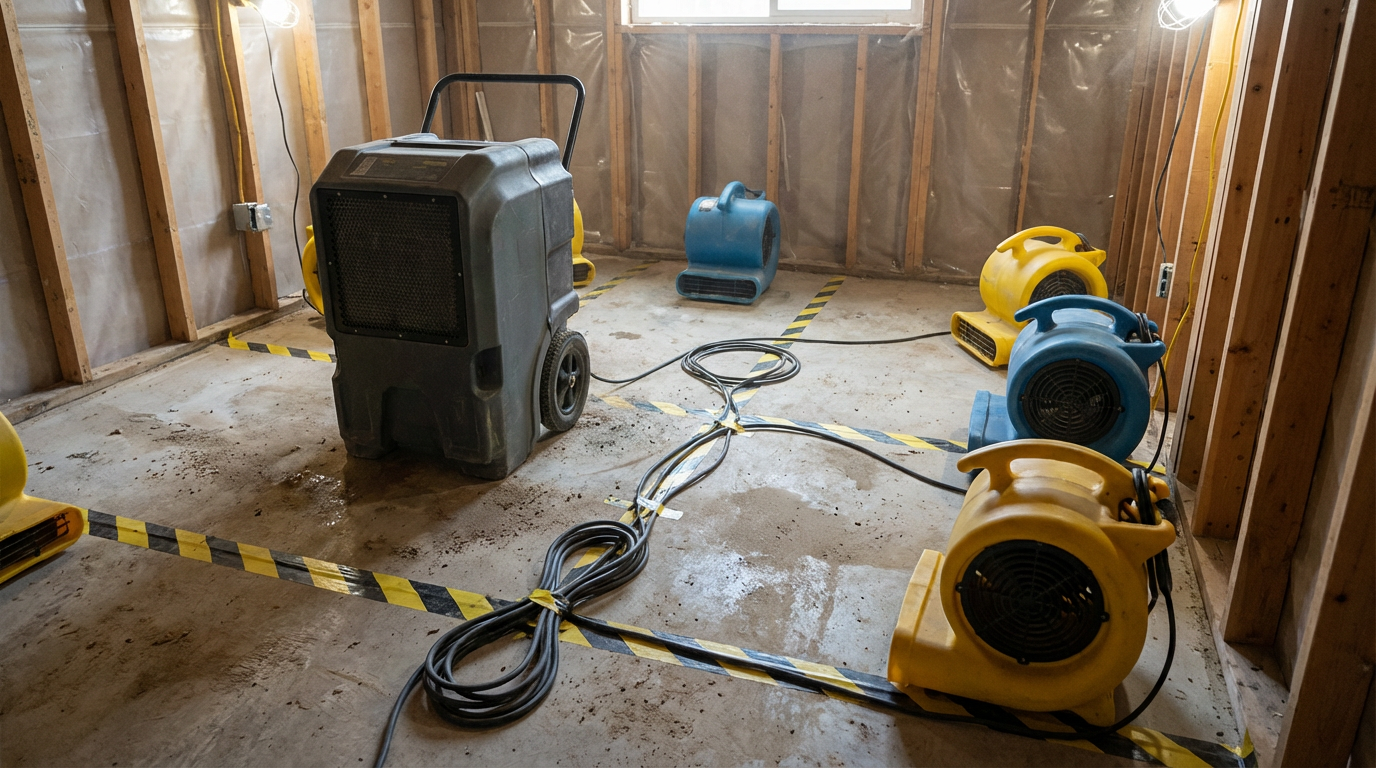
In terms of cooperation with the owner, it is recommended to avoid large amounts of drying or open steaming in sensitive rooms during the construction period; temporary heating and ventilation strategies will also affect the drying curve. We will mark the "curing and drying window" in the construction schedule and align it with the overall renovation pace to prevent subsequent carpentry or painting from prematurely sealing the unstable base layer.
From a compliance perspective, if the renovation involves structural or sanitary drainage changes, appropriate permits and inspections may be required. Even if the scope is limited to indoors, it may trigger a review of existing drainage risers, floor drain traps and ventilation ducts. We recommend clarifying the "discovery clause" in the scope of the contract: how to make quick decisions, how to record changes, and how to adjust payment nodes when hidden defects are discovered after opening the construction.
In terms of results, a successful waterproof reconstruction should be characterized by: normal temperature difference between the inner and outer surfaces during rainy season, no persistent musty smell, stable surface adhesion, and predictable maintenance costs. We advise against using short-term "looks dry" as a substitute for moisture content stabilization and system stress testing (where applicable). For owners, the most worthwhile investment is a verifiable process, not the "forever leak-proof" in marketing rhetoric.
At the time of acceptance and handover, we will recommend that the owner keep an observation log during the first rainy season: rainfall intensity, wind direction, indoor relative humidity and the time correspondence between any new spots. This log has important reference value for future construction if the scope needs to be expanded, and can also help distinguish "residual moisture from construction" and "new penetration paths".
For rental properties, tenant usage habits (clothes drying location, ventilation frequency) will change the risk curve. We recommend adding concise ventilation and drainage usage tips to the lease attachment, and discussing with the landlord whether to add independent exhaust or humidity alarm devices to reduce fluctuations caused by long-term vacancy and occupancy.
When the tie points of exterior wall scaffolding penetrate the insulation and waterproof layers, if they are not repaired according to system requirements after removal, nailhole leakage zones will easily form. We require a special inspection of the penetration points after the scaffolding is dismantled, and joint acceptance of the repair quality with the exterior wall subcontractor.
If the moisture-proof layer on the inside of the retaining wall of a sloping house is not reliably connected to the moisture-proof layer of the upper wall, moisture can enter the living area along the transition zone. Such issues often require a combination of geotechnical and drainage consultant advice, rather than just indoor dehumidification.
If rainwater tanks and overflow pipes are connected to an overloaded surface drainage system, they may back up into vents or floor drains close to the ground during heavy rains. Rainwater reuse design should evaluate extreme rainfall conditions and match the site's drainage capacity.
If the wall-mounted part of the wooden terrace is splashed with water for a long time and has poor ventilation, the backing structure may decay while the surface coating remains intact. Regular inspections should include observations of changes in knocking sounds and slight deformations, rather than relying solely on visual inspection of the coating.
If the exhaust from kitchens and bathrooms is discharged into the roof space instead of outdoors, it will form a long-term high humidity zone on the upper surface of the insulation layer. Such hidden errors often reveal themselves years later in the form of decay of structural members. Duct routing and check valve function should be verified during renovation.
If shelves without moisture-proof pads are used in underground or semi-underground storage rooms and are placed directly on the floor, capillary water on the ground can rise along the wooden shelves and cause mildew. Simple elevation and ventilation can sometimes make a significant difference.
After a heavy rain, checking whether the roof access cover has been displaced and whether the gutter is overflowing can help detect insufficient drainage capacity at an early stage instead of waiting until indoor leakage is dealt with.
If the height difference between the inside and outside of the bathroom threshold stone and the flange height of the waterproof layer are insufficient, bath water may migrate laterally along the mortar layer of the floor tiles to the corridor outside the door. Repair of such problems often requires partial removal of hallway facings.
If the built-in refrigerator and cabinet back panel are close to the exterior wall and there is no cavity ventilation, condensation water may accumulate in the summer. Minimum ventilation gaps or thermal insulation partitions should be reserved for mechanical, electrical and kitchen design.
If the casing of the photovoltaic wire harness on the roof is not internally sealed and sloped, rainwater can be siphoned along the cable core into the inverter compartment. We require that the construction be carried out according to the joint details of the manufacturer and the roofing system.
If the interception ditch on a slope is blocked by fallen leaves or construction debris, the upslope runoff may be diverted and washed away by the backfill around the corner foundation of the building, forming a seepage channel. Regular clearing and vegetation management should be included in property maintenance.
The areas where joints in brick walls fall off are often driven by wind pressure to seep water after rain. The indoor side may only show bubbling of the baseboard paint film. Repairs require redoing the caulking and partial flashing, rather than just repainting the interior.
If old single-glazed windows are retained during renovation, condensation on the indoor side may form a long-term moisture zone along the lower edge of the window sill. In addition to replacing the glass system, it can also be mitigated by strengthening perimeter insulation and ventilation strategies, but the location of the dew point needs to be assessed.
When an underground sump pump fails or there is a power outage, water may temporarily accumulate in low-lying areas and seep into the roots of adjacent walls. In addition to repairing the pump body, alarm and backup power strategies should be evaluated.
Insulation faults around the fireplace flue will form cold bridges in winter, which may cause the bricks to get damp and the veneer to peel off as combustion moisture migrates. When renovating a flue, the continuity of insulation should be reviewed simultaneously.
If the water accumulated in the track groove under the shower glass door cannot be drained away, mold will breed and penetrate into the floor system. The slope of the drainage hole should be reserved during installation.
If the external wall insulation board is mechanically anchored, the anchor thermal bridge and water seepage path need to be processed together in the node sample; the dense anchorage area may become an array of cold spots.
If leaves and sediment accumulate inside rainwater risers for a long time, they may overflow from the top joints to the roof insulation layer during heavy rains. Regular dredging should be included in the property maintenance plan.
If the indoor doors and windows are closed for a long time and only rely on dehumidifiers, the surface moisture content will decrease but the depth of the structure may still be slowly balanced, and premature sealing of the finish will cover up the unstable base layer. We will combine the temperature and humidity records to give recommendations on the minimum index that can be sealed.
If the exterior wall has a gypsum board finish on the inside and a brick cavity wall on the outside, water accumulation in the cavity may go undetected for a long time until salt frost appears on the skirting or corners. Exploration requires reserved access openings or selective dismantling.
If the bathroom waterproof membrane is not turned up to a sufficient height at the threshold or there is no water stop at the interface with the floors of other rooms, shower water may penetrate laterally along the screed.
If the underground or elevated floor is made of plain concrete without a moisture-proof membrane, long-term high humidity seasons may affect the upper floor through capillary action, which requires comprehensive management with ventilation and moisture-proof coating.
If the condensation water above the roof insulation layer cannot be drained, the insulation layer may still be soaked even though the winter is short, and mold may occur after evaporation in summer. The settings of the roof breathable layer and drainage cushion should be reviewed.
If the exterior wall veneer bricks are made of bricks with a high water absorption rate, salt crystallization and dry-wet cycles may still cause the glaze to peel off despite little freezing and thawing. The selection should refer to the environmental exposure level.
If the indoor wall uses humidity-controlling finishes such as diatom mud, ventilation strategies must be used during high-humidity seasons. Otherwise, the surface may be close to saturation for a long time, which is conducive to the attachment of mold spores.
If the insulation thickness around the roof skylight is insufficient, condensation on the inner surface of the glass may drip to the furniture below in the early morning hours of winter. In addition to replacing the glass system, a diversion channel and a strengthened frame break bridge can be added.
If there are no break bridges between the internal insulation of the exterior wall and the floor slab, a winter condensation zone may appear along the foot of the wall in the floor tile area, which needs to be dealt with from both the geometry of the break bridge and the surface temperature.
If condensation water drips along the window frame onto the wooden window sill, it can cause mildew and peeling of the paint film in the long term. In addition to improving the thermal performance of the window, you can use a stone window sill or increase ventilation.
If the exterior wall insulation board uses a product with a flammability rating that does not meet the approval declaration, even if the construction is excellent, it may be required to be removed and replaced during the acceptance stage. The procurement chain must be locked with energy and fire protection documents.
If the indoor humidity is higher than 60% for a long time and the ventilation is insufficient, even if the enclosure has no leaks, mold may still breed on the surface. The use methods and ventilation equipment need to be controlled at the same time.
If your home has experienced repeated moisture problems, it is recommended to compile historical maintenance records, photos and meteorological time points as soon as possible, and conduct an on-site assessment under formal commissioning. The content on this page is intended to provide a methodological framework and does not constitute a guarantee for specific projects; individual case conclusions are subject to on-site investigation and written plans.
← Return to Insights overview