
Overview
We split a typical commission into six steps: 01 Brief & site → 02 Design & pricing → 03 Design & approvals → 04 Contract → 05 Construction → 06 Handover. Steps can iterate, but drawing revisions and contract attachments should stay traceable.
What we need from you early
Share functional priorities, budget ceiling, time drivers (school intake, lease end), and known site constraints (easements, flooding, heritage overlays). Clearer inputs mean fewer hidden assumptions and fewer tender disputes.
When to sign a building contract
We prefer to execute the building contract after key drawings and specifications are frozen and primary material tiers are agreed. If you must secure a slot earlier, use a design-phase agreement or deposit with explicit terms.
Six visual entry points
Each thumbnail matches that step’s detail page hero.

01 Brief & site
Budget, programme, and regulations up front.

02 Design & pricing
Scope definition and comparable tender structure.

03 Design & approvals
Drawings and approval pathway.
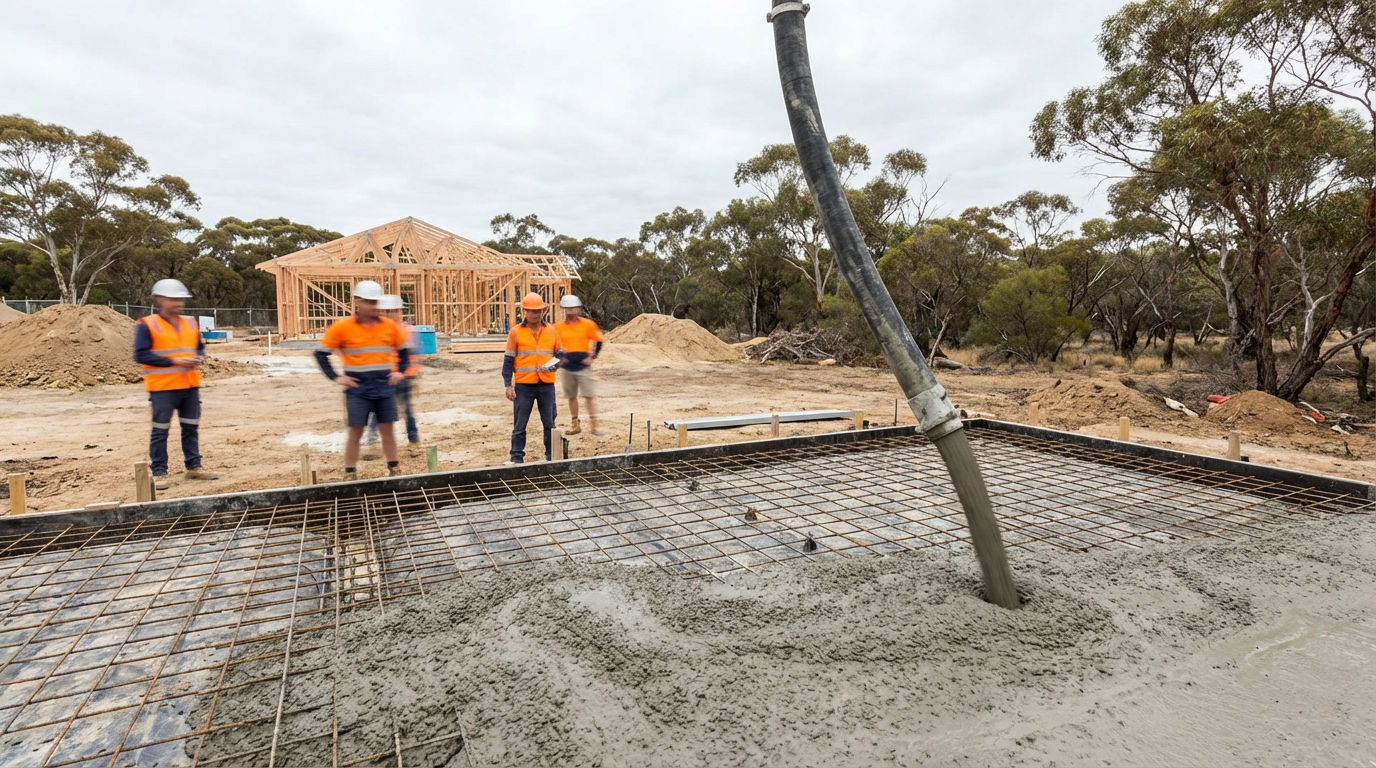
04 Contract
Milestones and variations.

05 Construction
Coordination, inspections, records.

06 Handover
Completion, documentation, warranty.
Read cases against these stages
De-identified long reads map to typical risks by stage (tender assumptions, approval RFIs, concealed inspections). Use them alongside the six steps above.


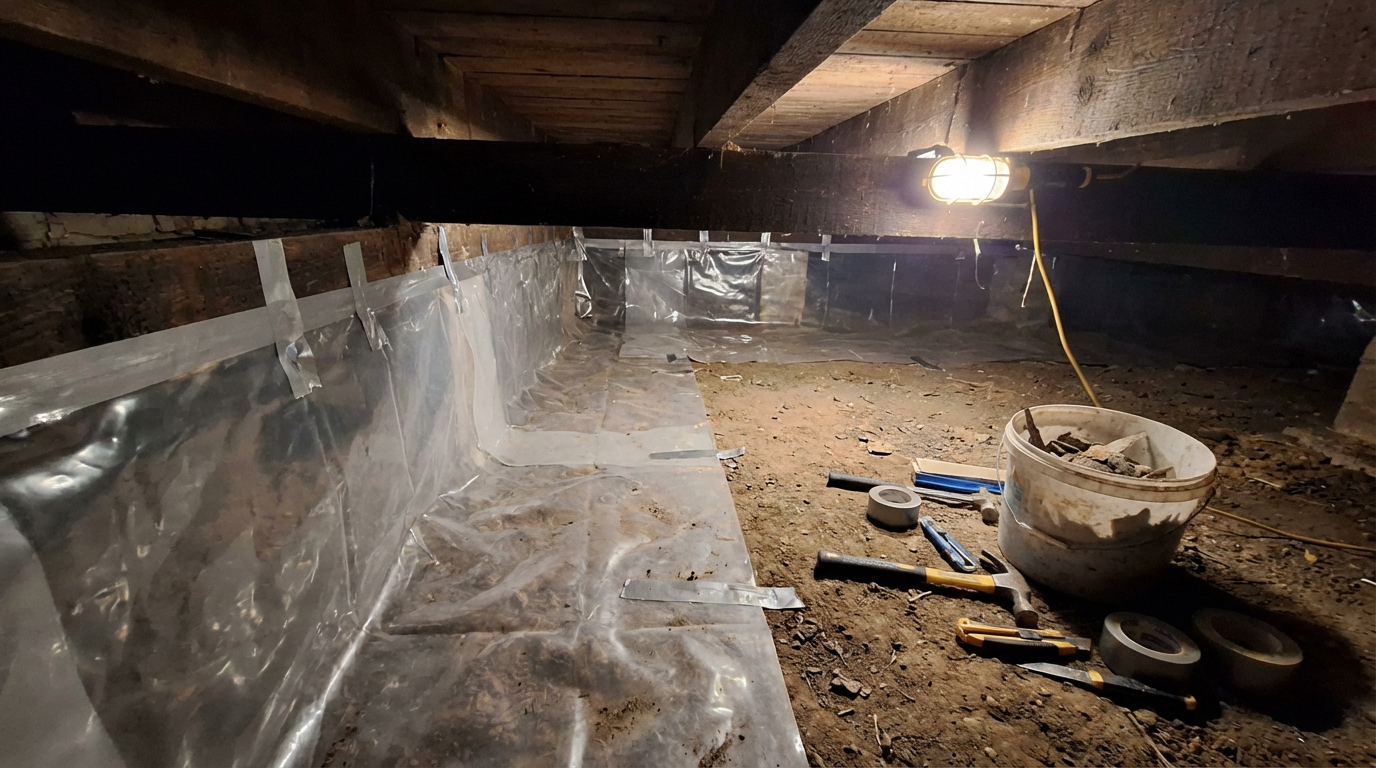
FAQ · Process
Do we have to finish all six steps before site start?
Projects often iterate (for example approval RFIs that upgrade drawings), but between contract and starting on site you still need legal and insurance prerequisites met. What matters is traceable deliverables and revision IDs at each step, not a rigid sequence — and avoiding scope creep via undocumented “verbal OKs”.
How can we contract before design is finished?
Use a design-phase agreement, a deposit to hold capacity, or a staged cap with clear ceilings. Professional clauses should say which assumption changes trigger re-pricing, who decides, and within what timeframe — not open-ended “cost-plus” without limits.
Which hold points should owners attend?
Typical holds: after foundation inspection, before waterproofing is closed in, before the thermal envelope is lined, and after major variations. List them in contract within safety and insurance limits, with photos and minutes.
Process and programme
Tell us your target start or move-in month and whether you already have drawings or consultants; we can suggest which of the six steps you are closest to and common RFI types (indicative only — not a commitment).
Business is governed by written contract, drawings, and approval documentation; this page is informational only and does not constitute an offer or guarantee.