
The "Detached homes" section covers single and double-storey custom houses — specific projects are subject to case documentation and individual contracts. In the Queensland climate, the quality of a detached house often depends not on a single material grade, but on whether the building envelope forms a continuous, verifiable layer, and whether external works prevent long-term water splash and subfloor moisture accumulation.
Rain and flooding
The roof water collection, cornice geometry and landing point should avoid long-term water splashing zones at the corners.
Enclosures and cavities
The ventilation and thermal insulation sealing of the exterior wall cavity are consistent with the overlap of the waterproof and breathable layer of the sub-frame.
Outdoors and energy
Driveway runoff, scattered water and landscape cover height; window-to-wall ratio and shading constructability.
Technical main line
Independent house projects need to coordinate roof rainwater paths, gutter and downpipe maintenance accessibility, exterior wall cavity drainage and ventilation, first-floor moisture-proof layer and ground connection, and runoff organization at driveways and curbs. Corners and complex cornices are high-risk areas for flooding geometry: if the facade shape takes precedence over section closure, this often manifests itself as localized leaks or finish contamination years after delivery.
In terms of energy, the window-to-wall ratio, external shading and air tightness goals need to be consistent with the installation process; if the high air tightness assumption is not matched with a controllable fresh air path, it may lead to unexpected behavior of indoor humidity and air conditioning load.
Common risks and pre-review
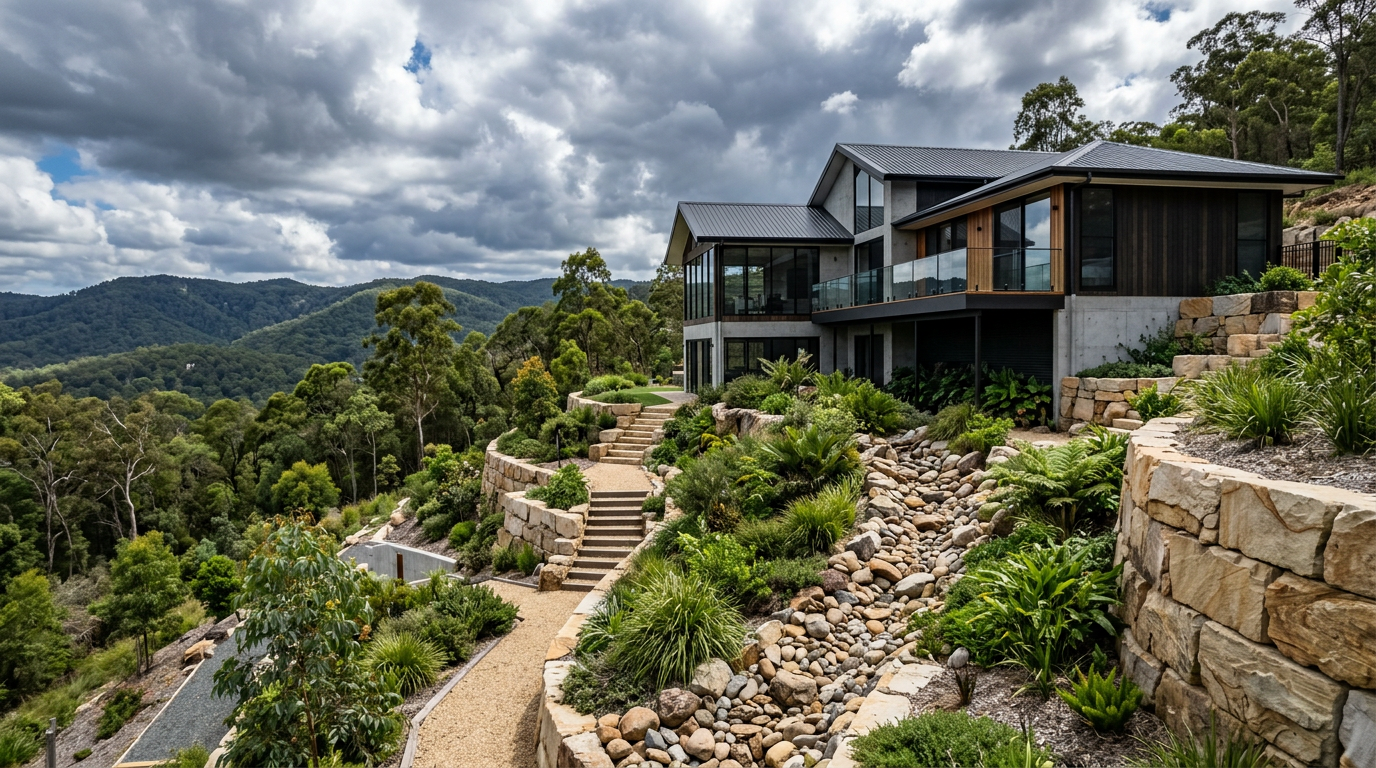
Beyond structural loads, roof equipment platforms (photovoltaic, solar hot water, fresh-air outdoor units) require penetration detailing through the waterproofing layer and maintenance clearance to be resolved at design stage. If landscape fill raises the wall base without simultaneously adjusting damp-proofing and water-dispersal strategies, long-term elevated moisture content in the subfloor or base layer can result. We recommend using a key section review with a rain scenario (including wind-driven spray from the prevailing direction) to complete a cross-discipline overlay check — rather than relying on a flat-plan "looks okay" assessment.
Related case studies — Detached Homes
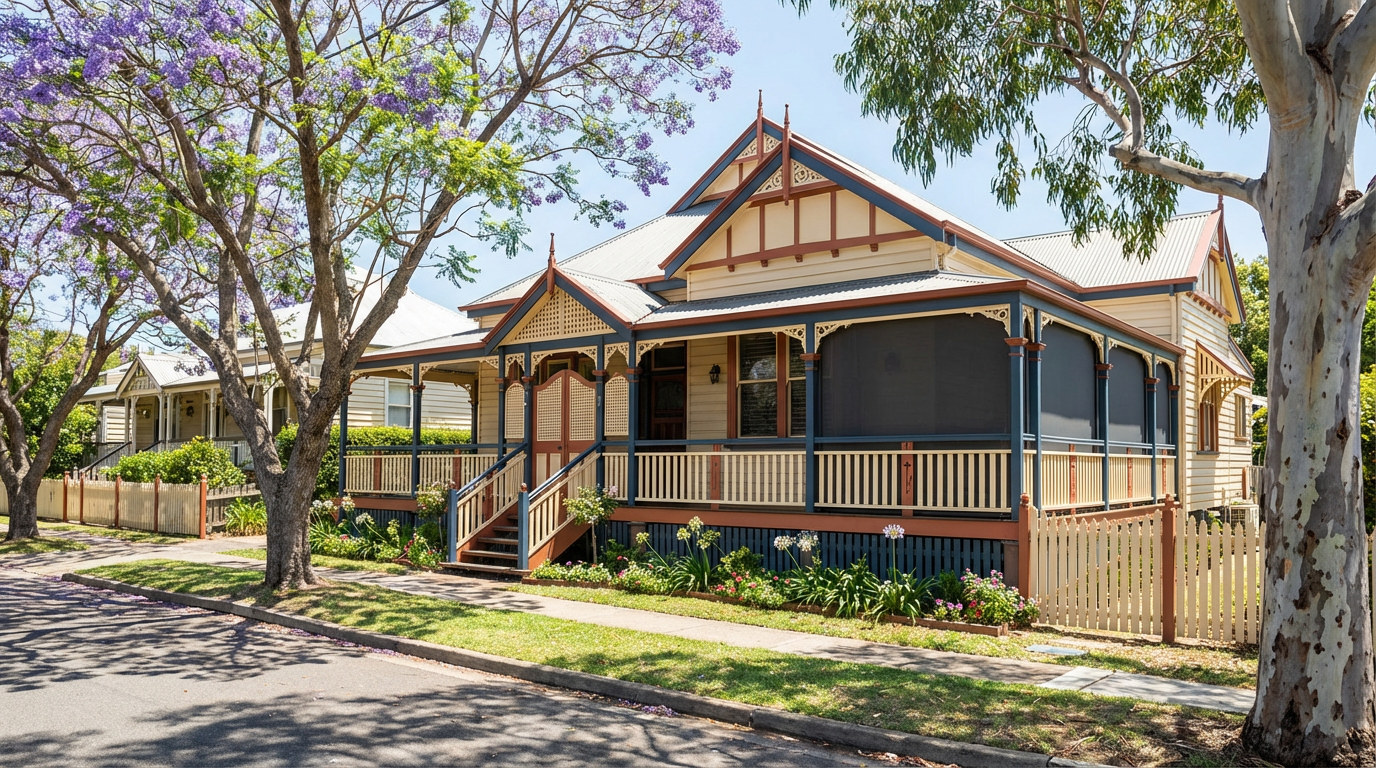
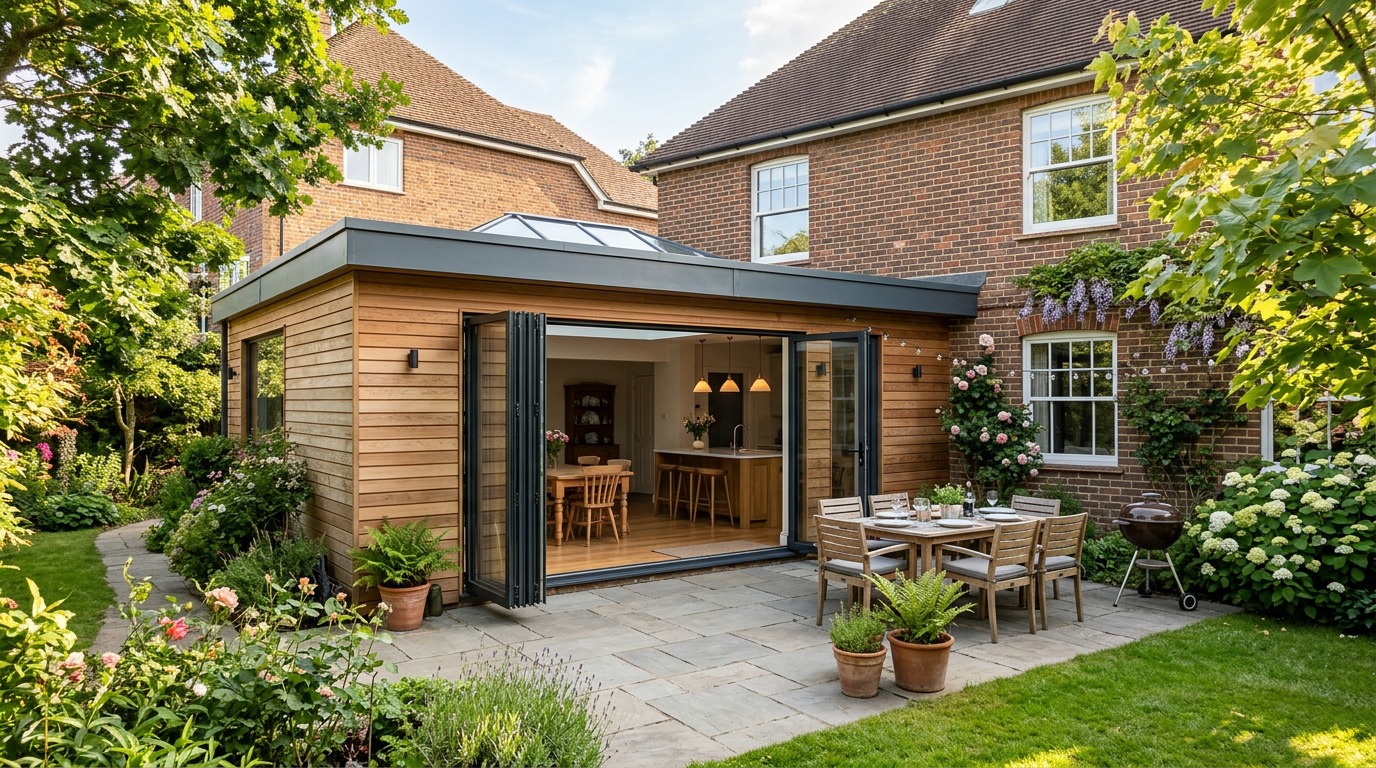
The following cases focus on the relationship between site levels, building envelope, and external works — read alongside the technical main line described on this page.
Detached homes new construction consultation
If you plan to customize a detached house, you can leave the number of floors, approximate construction area, and whether there is any obvious height difference on the site, so that we can prompt us with a list of common consultant combinations and information.
Business is governed by written contract, drawings, and approval documentation; this page is informational only and does not constitute an offer or guarantee. Project particulars are as agreed in contract and case write-ups.