
Custom new homes are a core focus for us: from concept massing to the last roof flashing, with structure, energy, weatherproofing, and services interfaces in between. We do not replace your architect; we strengthen constructability, inspectability, and maintainability so tender assumptions align with what is built.
Buildability
Junction details, trade sequencing, and hand-offs are readable on drawings—reducing grey areas resolved only on site.
Compliance & consultants
Approval drawings, energy models, and structural calculations stay on the same revision path; RFI and substitution triggers are defined before variations pile up.
Handover & records
Concealed works, batch IDs, and inspection photos are indexed to support completion, warranty, and future retrofit.
Stages and depth of involvement
Typical stages include concept, design development, construction documentation and approvals, tender, and construction. If we join before construction documentation is locked, we can review eaves, equipment platforms, and roof access paths—items costly to change later. If design is already frozen, effort shifts into variations, energy re-assessment, or reprogramming—with less room on time and cost.
After plan and façade direction are set—but before bulk procurement—run a buildability read-through: waterproofing laps, insulation terminations, cladding module, and site tolerances in one pass, so the façade is not signed off with unclosable junctions.
Envelope, energy, and moisture
Roof, walls, slab edges, and window subsills form one thermal and weathering system. Coastal and high-humidity Queensland contexts need continuous insulation geometry, vapour control on the correct side, and compatible packing/air-sealing at subsills. Energy modelling assumptions for glazing ratio, shading, and airtightness must match issued drawings and installed practice—or the model is indicative only.
Our view: energy performance is first a constructability problem. Air-leakage hotspots (garage–house interfaces, penetrations, ceiling services zones) need explicit detailing; otherwise workmanship fills the gap and you see load anomalies or local condensation later.
Structure, services, and roof plant
Common clashes include PV or solar hot-water penetrations through the waterproofing layer, plant deck actions and access headroom, and fresh/exhaust routes versus beam soffits. We prefer a composite section stacking these items—not separate sheets that assume “someone else will miss us.”
Outdoor units need drainage for condensate as well as noise and heat rejection—avoid nuisance drips onto neighbours or saturated pavements.
Procurement, samples, and substitutions
Face brick, metal cladding, roof systems, and glass should be sampled in natural light with a batch strategy; long-lead or imported items need contract triggers for freight and duty volatility. Substitutions that change conductivity, reflectance, or fire classification should trigger energy and approval consistency—not after-the-fact paperwork.
Practical tip: When comparing prices, insist on the same assumptions for insulation thickness and lambda, glazing build-ups, and roof membrane build-ups. Lump-sum-only comparisons often expose scope gaps mid-build.
External works and authority interfaces
Driveway grades, gully positions, kerbs, and paving adjacent to the dwelling affect long-term splash and substrate moisture. If landscape fill height, irrigation throw, and footing damp-proofing are coordinated at master-plan stage, post-handover disputes drop sharply.
Handover documentation and future retrofit
Without batch IDs, inspection lots, and concealed-work imagery from day one, handover becomes a pile of folders—not a searchable record. Where contracted, we can help define folder structure and naming so future plant swaps or roof upgrades do not require wholesale strip-out to understand what was built.
Related case studies
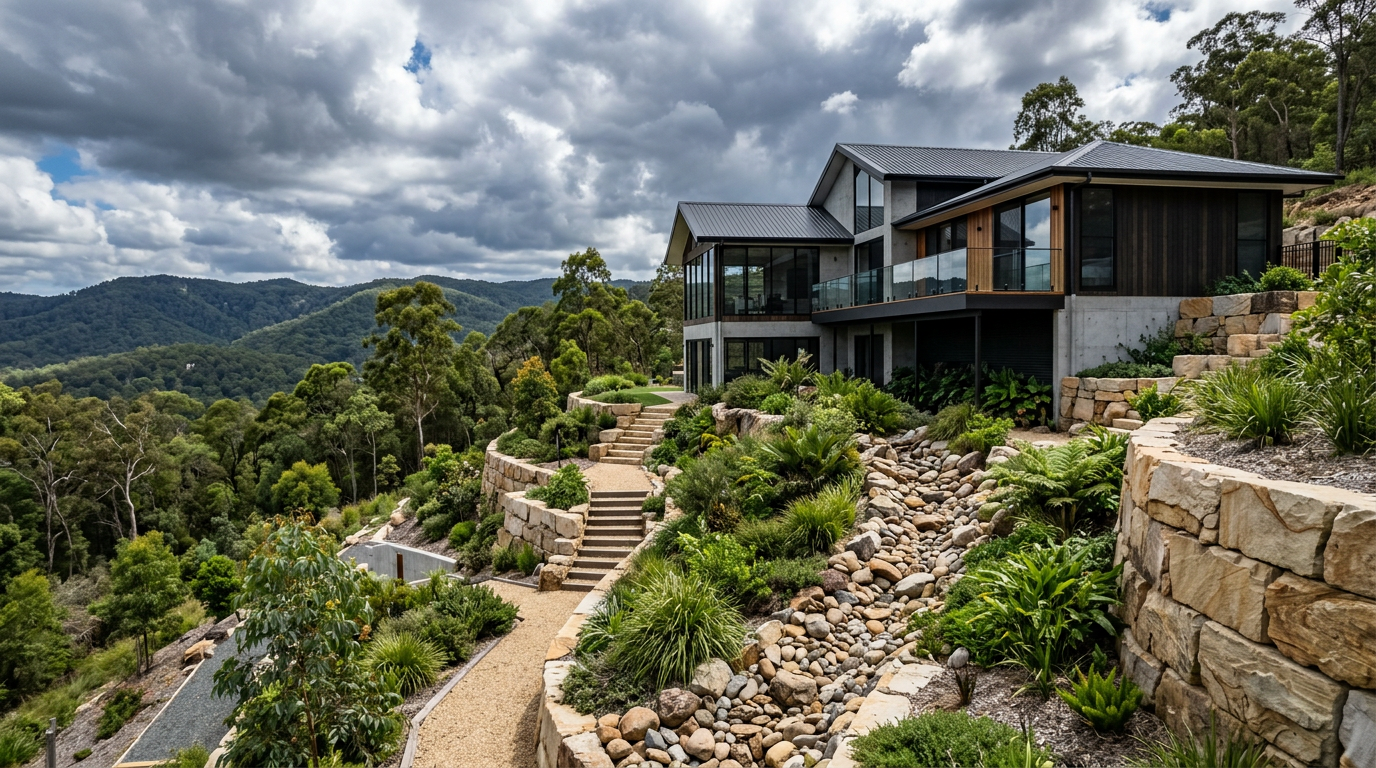
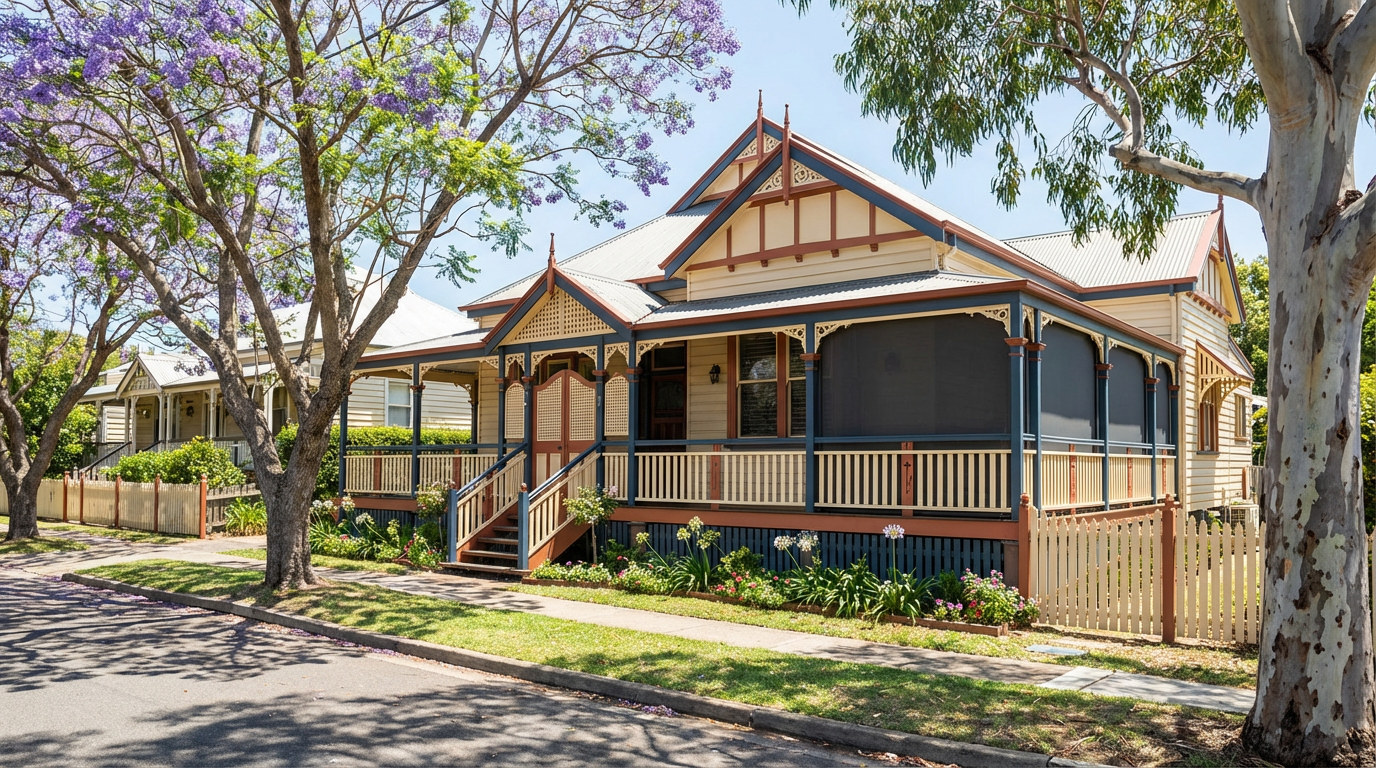
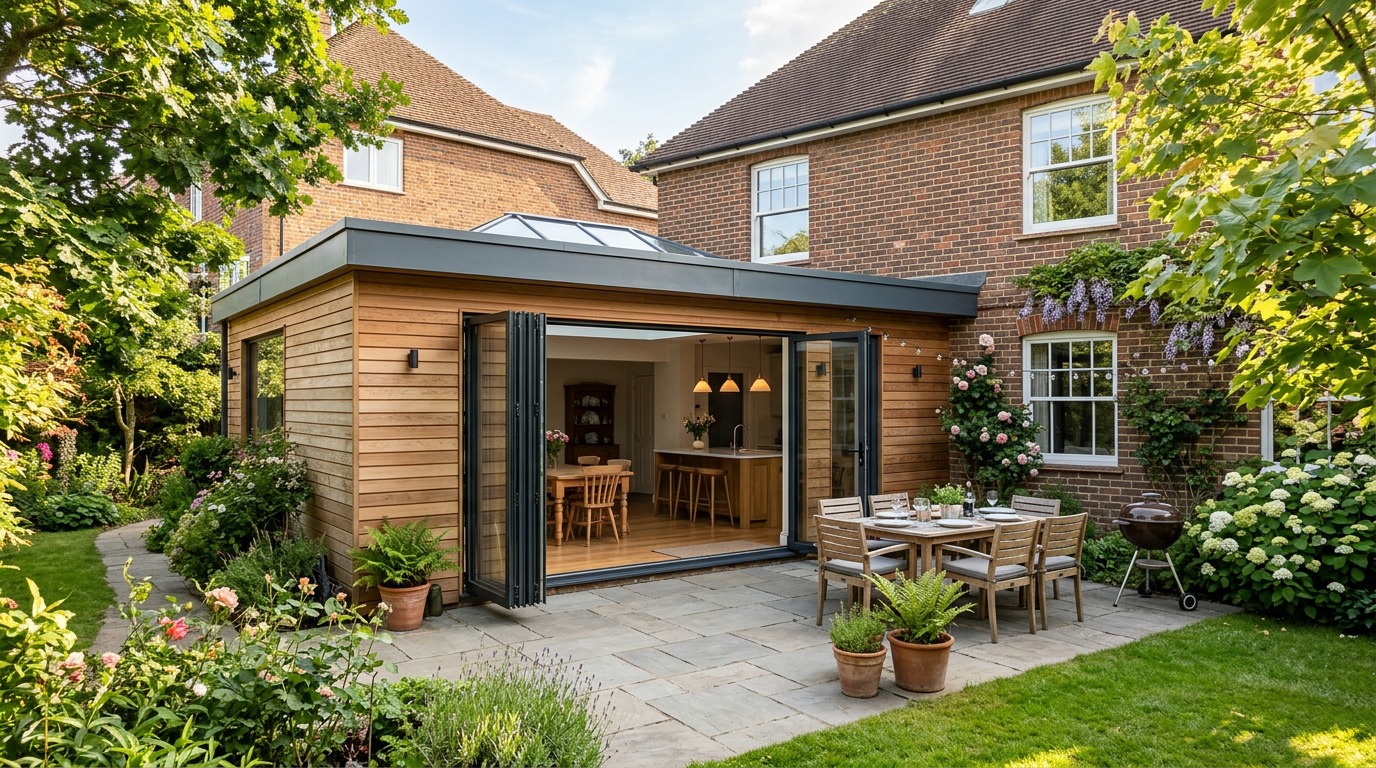
Anonymised methodology write-ups below focus on envelope, drainage, and site organisation. Outcomes are specific to each contract, drawing set, and approval—not a promise for your lot.
FAQ — custom new homes
Construction drawings are still moving—is it sensible to compare lump sums?
Until drawing revisions, specification schedules (including insulation lambda and glazing systems), and energy assumptions align, lump sums hide different scopes. Professional practice is to require priced same revision + same spec tier line items and optional alternates, or accept conditional ranges / staged caps—otherwise low tenders rebalance through variations.
What if energy certification paperwork does not match what is built?
Residential energy documentation is tied to glazing, shading, airtightness, and envelope build-ups. Field changes to coatings, deleted sun-shading, or insulation thickness can disconnect the model from as-built performance, weakening evidence at completion, resale inspection, or dispute. Substitutions should trigger consultant review and approval updates—not verbal sign-off alone.
After samples are approved, how should a supplier-proposed finish substitution be handled?
Run both a technical equivalence and compliance equivalence check: conductivity, reflectance, fire rating, colour, and fabrication tolerances against design intent; and whether energy, structural fixings, or waterproofing certification are affected. Use a written substitution with mock-ups/tests, architect/engineer endorsement, then update procurement and drawing revision—avoid “install first, paperwork later.”
Who owns detailing when PV or solar hot water penetrates the roof membrane?
Membrane integrity usually sits with the roofing trade / system supplier; penetrations are a penetration family needing structure (actions and fixings), waterproofing (flashing and compatible materials), and equipment install rules on one composite section. Tender documents should name who produces the composite detail and who witnesses water tests, with photos and batch records before cover-up.
Where do scope gaps most often appear in new-build pricing?
Typical omissions: scaffold and safety allowances, temporary drainage and sediment control, duty/freight volatility on imports, consultant fees for approval/energy RFIs, and footing damp-proof upgrades after landscape fill. Professional tenders list these explicitly (including exclusions) instead of hiding behind generic “build to drawings” language.
New-build enquiry (demo form)
If you have a site and an indicative programme, leave a short summary and contact details. On business days we will confirm completeness and suggest next steps (e.g. drawing list or consultant types). Full enquiries should use the Request a quote page or email with attachments.
Business is governed by written contract, drawings, and approval documentation; this page is informational only and does not constitute an offer or guarantee. Specific scope is as agreed in your contract.