Portfolio Overview
Portfolio overview
Six types of representative issues: slope drainage, landscape renovation, boundary addition, duplex interface, row module and moisture-proof replacement during the residence period.
The following is a compilation of de-identified project types and methodologies used to illustrate the company's typical approach to issues in residential construction and renovation collaborations in Queensland. The case does not point to an identifiable specific street or owner; the technical conclusion is based on the individual case contract, drawings and approval documents, and shall not be regarded as a guarantee for other plots of land or third parties.
Each entry can be accessed on a separate page to read a longer technical description. If you would like to discuss options similar to your site, please contact us via the Request a quote form or footer contact details to submit your project information.
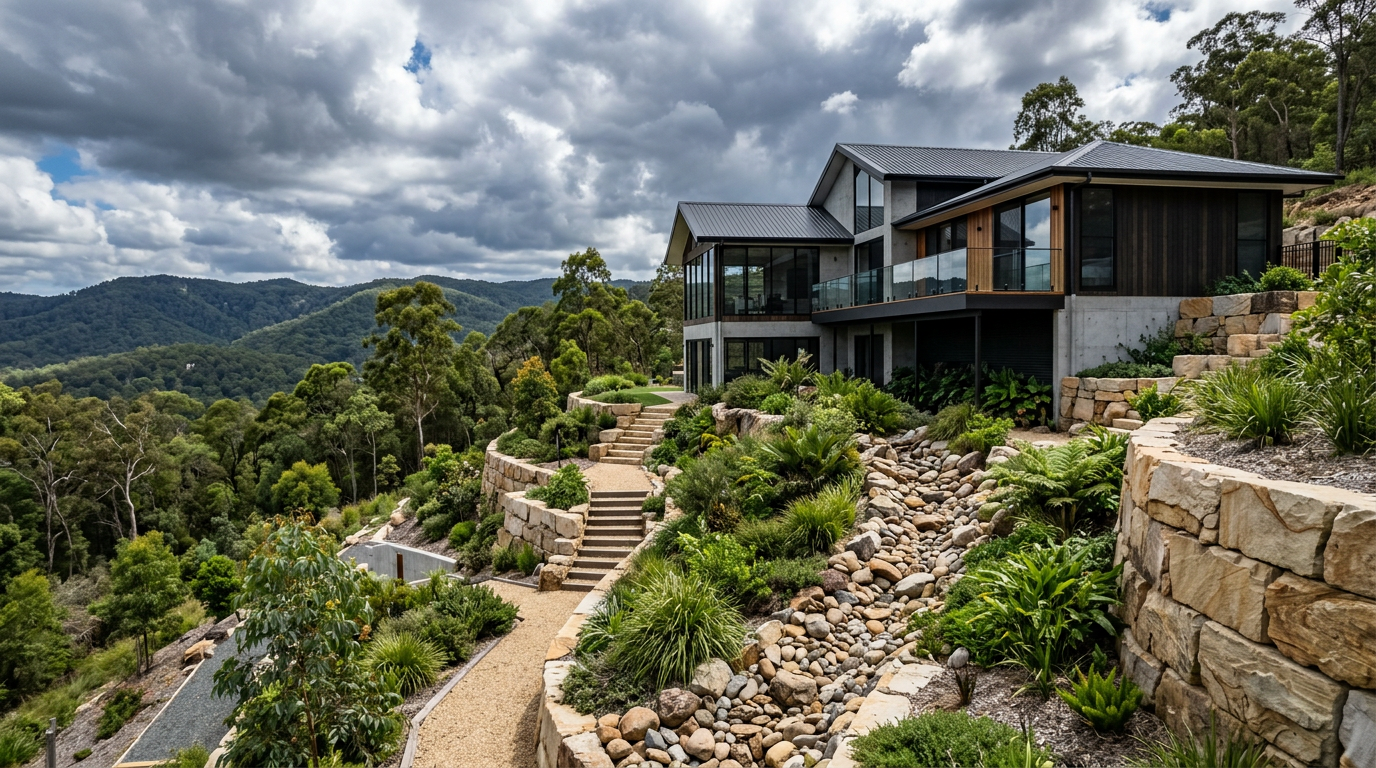
Steep-site double-storey new build
The water catchment zoning, retaining interface and moisture-proofing of the elevated floor work together to reduce the risk of water accumulation around the foundation in rainy seasons.
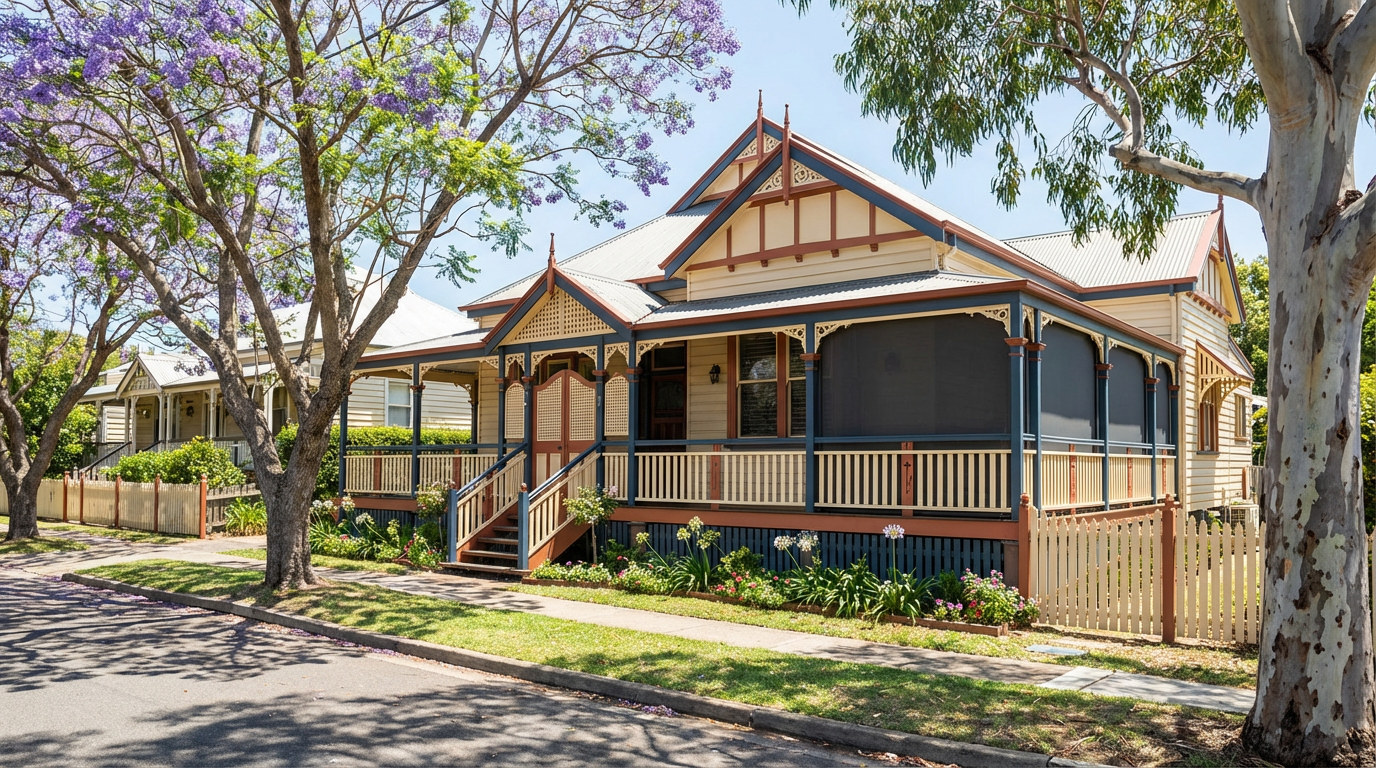
Whole-house renovation — inner-Brisbane heritage suburb
Structural reinforcement, energy efficiency upgrades and comprehensive indoor systems renewal completed within heritage character overlay constraints.
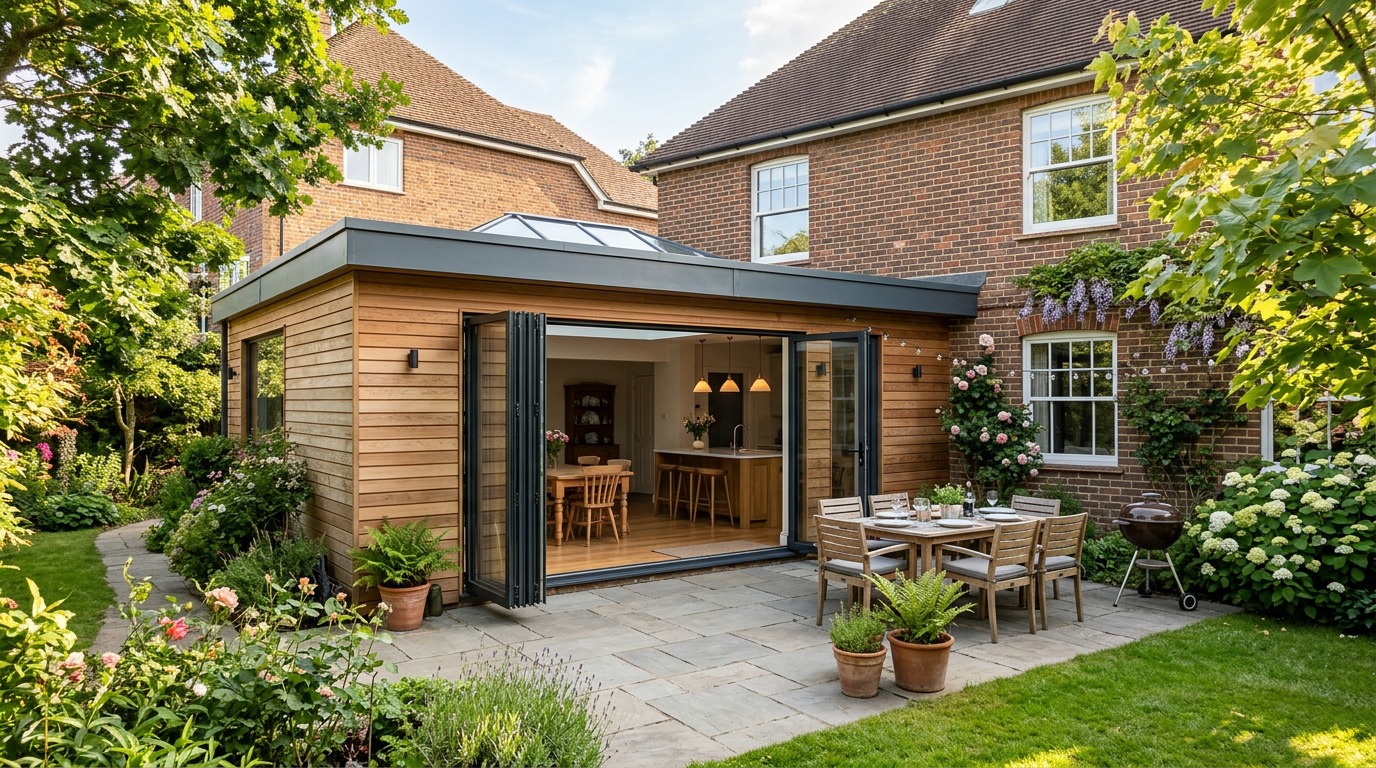
Backyard addition and lightwell
Coordinate setbacks, window openings and drainage to resolve sensitive points in the neighborhood and complete the increase in usable area.
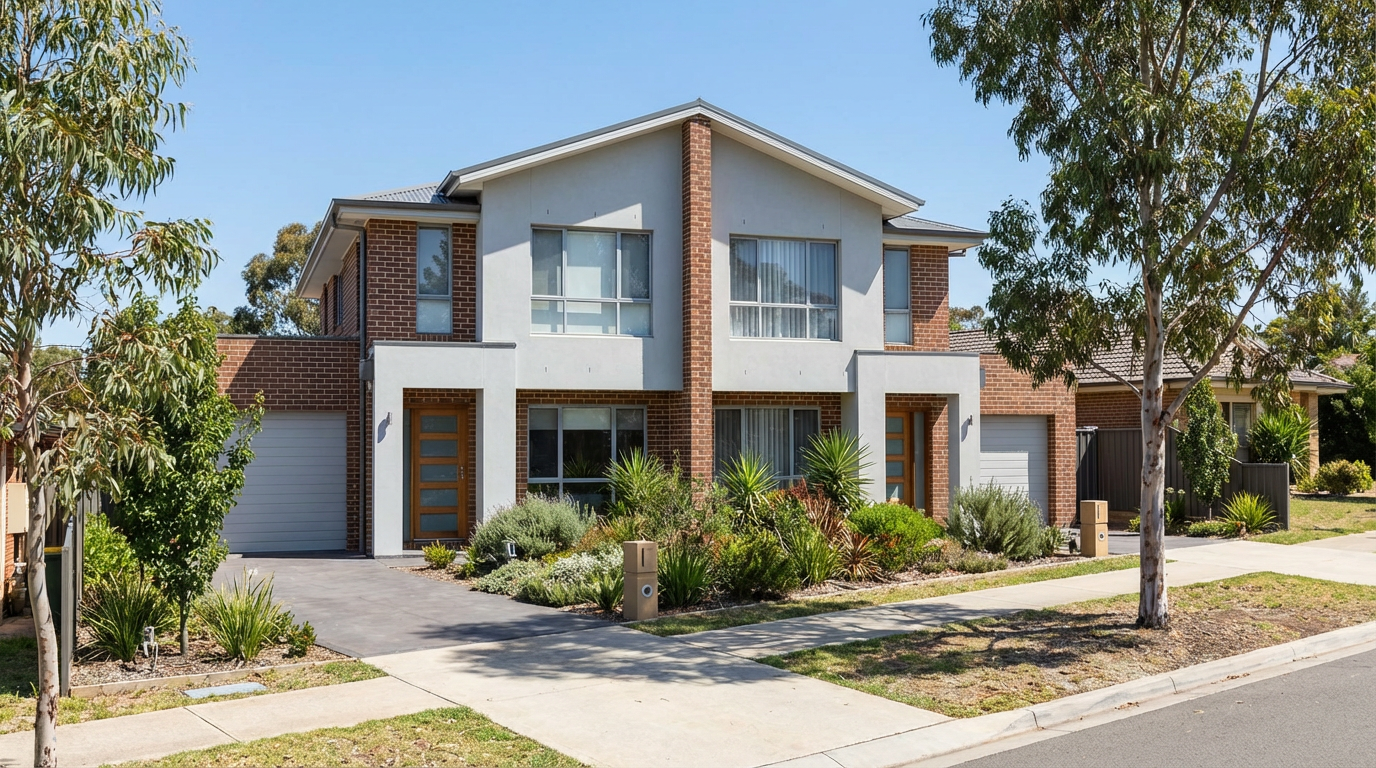
Duplex strata house
The interface matrix manages common wall nodes, shaft fire sealing and roof water distribution details.
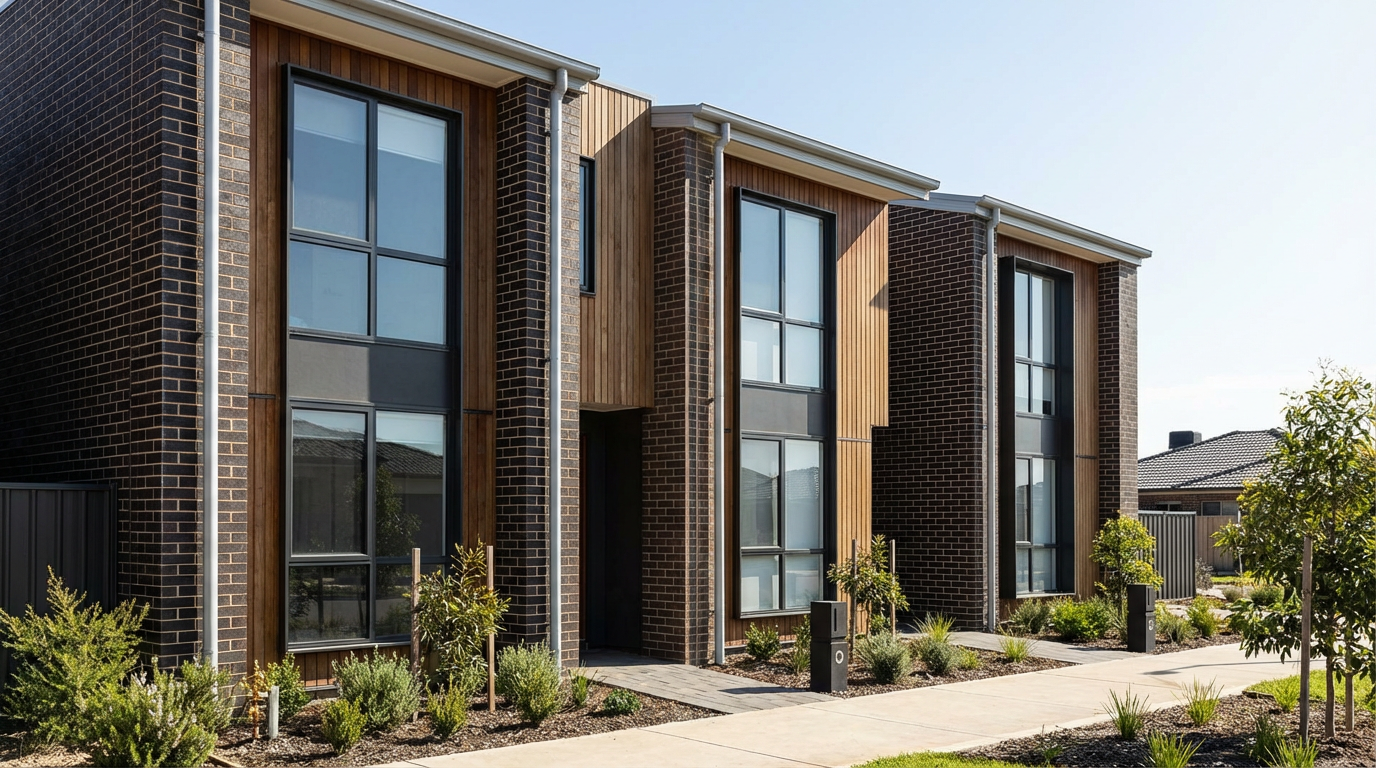
Three sets of townhouse construction
Unify the horizontal datum and grid lines to coordinate the safe transition between batch ordering and partition demolition.
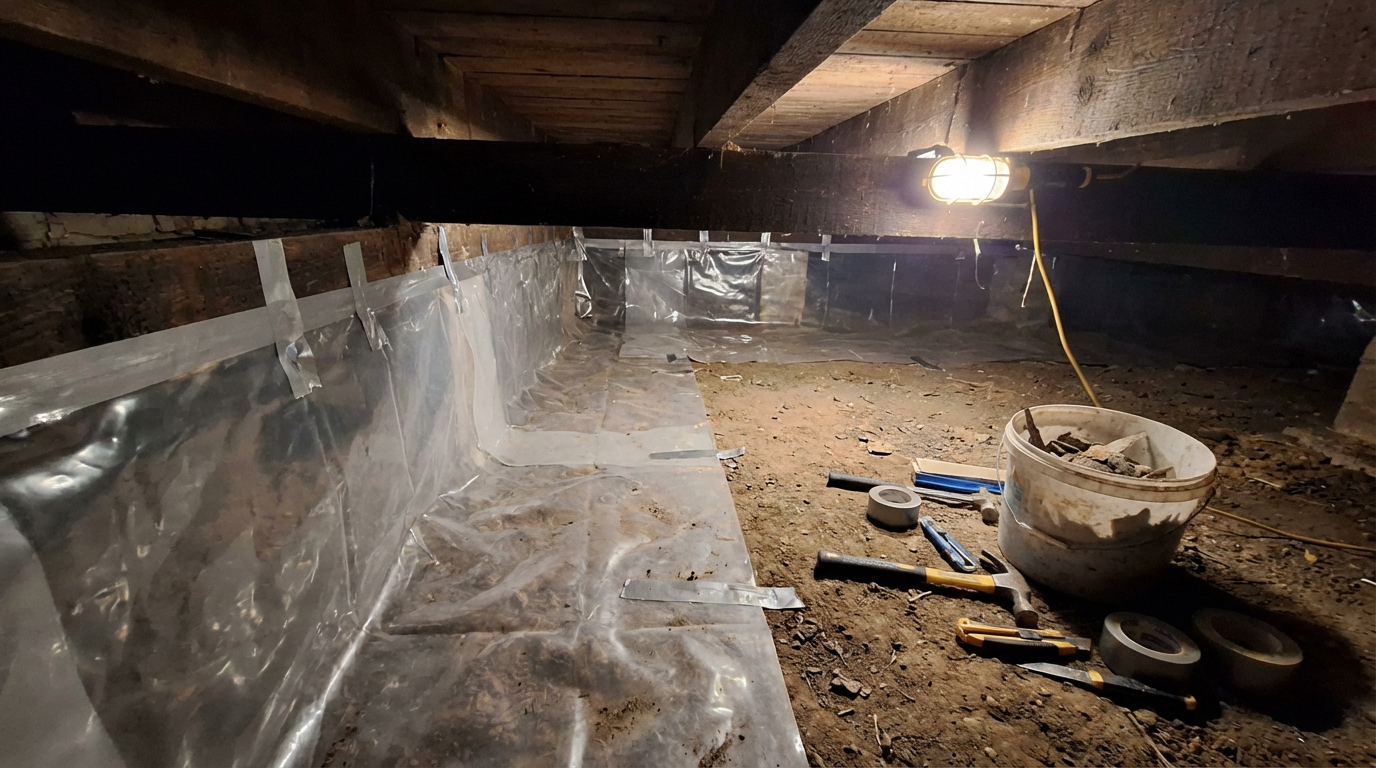
Timber structure moisture barrier replacement
Segmentation process, dust control and moisture content monitoring reduce the impact of construction on life during the residential period.
Frequently Asked Questions · Cases and Methodology
Can the long case article be considered a technical commitment to my land?
No. The cases on this site are de-identified methodology documentation, used to illustrate how typical issues are addressed. Hydrology, soil conditions and approval requirements vary from site to site. Any implementation path must be based on your project's contract, drawings, and consultant's written assessment.
Why emphasize "result boundaries" instead of just showing results photos?
Uncertainty in residential construction comes from site conditions and supply chain fluctuations. Professional documentation should explain measures, assumptions, and risks outside the builder's control — otherwise readers may misread it as a guarantee applicable to all similar sites. We deliberately retain boundary descriptions to prevent misrepresentation.
How to compare the case to your own project stage?
It is recommended to first identify the "leading risks" most relevant to your site (slope runoff, shared walls, landscape restrictions, residential construction, etc.), then read the decision points and record chains in the corresponding case study; and cross-reference with the Process pages to identify which stage you are at and what information is typically needed for the next step.
Compare a case to your site
Briefly describe the site's topography, neighbouring sensitivities, and project type — you may also note whether a survey or geotechnical report exists. We will suggest the most relevant case topics within business days. A demonstration reply does not constitute an offer.