
The "Renovations & extensions" case type focuses on incremental logic within existing conditions: retaining structure and envelope elements that can continue to serve while inserting new functional volumes and updated indoor systems. The following descriptions explain our technical and compliance focus in this category — specific projects are subject to individual contracts.
Roofing and insulation
Handover of old and new roofs, relocation of downspouts and thermal bridge control; whether energy re-evaluation is required.
Structure and safety
Load-bearing determination, fire separation and temporary supports before opening; consistent with structural engineer instructions.
Electromechanical and Adjacent
Distribution capacity, drainage risers and ventilation paths; neighborhood shading and rain splash assessment.
Add interface
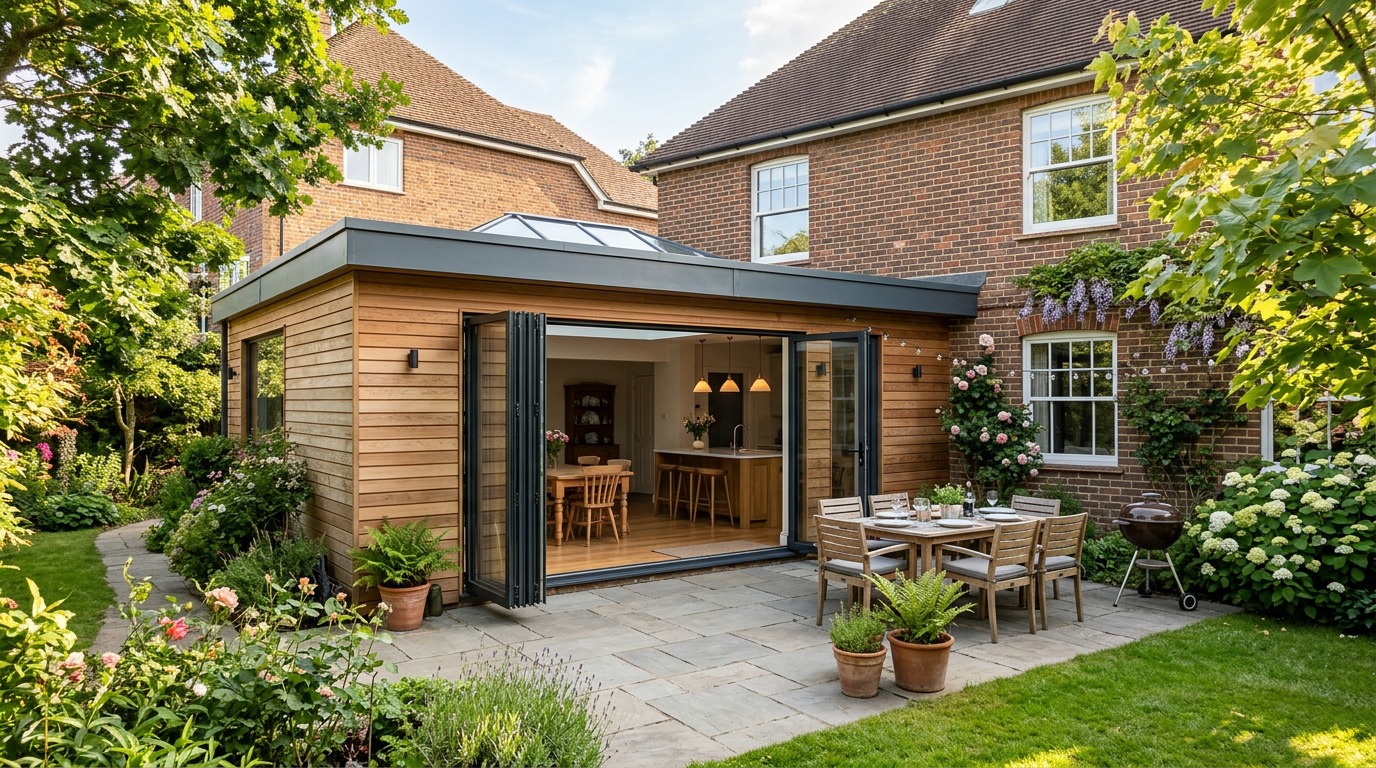
The transition between old and new roofs, changes in cornice height, and migration of downspouts are common locations for leakage and energy breakpoints. Thermal insulation and moisture-proof layers should be drawn on the sectioncontinuous path, rather than relying on on-site cutting remedies. If the addition changes the window opening ratio or enclosure area, it should be evaluated whether it triggers an update of the energy file.
Lateral impacts on neighbors include shadows, rainwater splash and vehicle access during construction; it should be included in the planning stage rather than just construction notices.
Indoor system and plane linkage
The relocation of kitchens and bathrooms often affects the slope of drainage risers, ventilation short circuits and the location of gas equipment; for electrical, current requirements such as household capacity, circuit distribution and RCD/AFDD need to be checked. Any openings in load-bearing walls or fire partitions must be subject to the written conclusion of the structural engineer and compliance consultant.
On-site organization and records
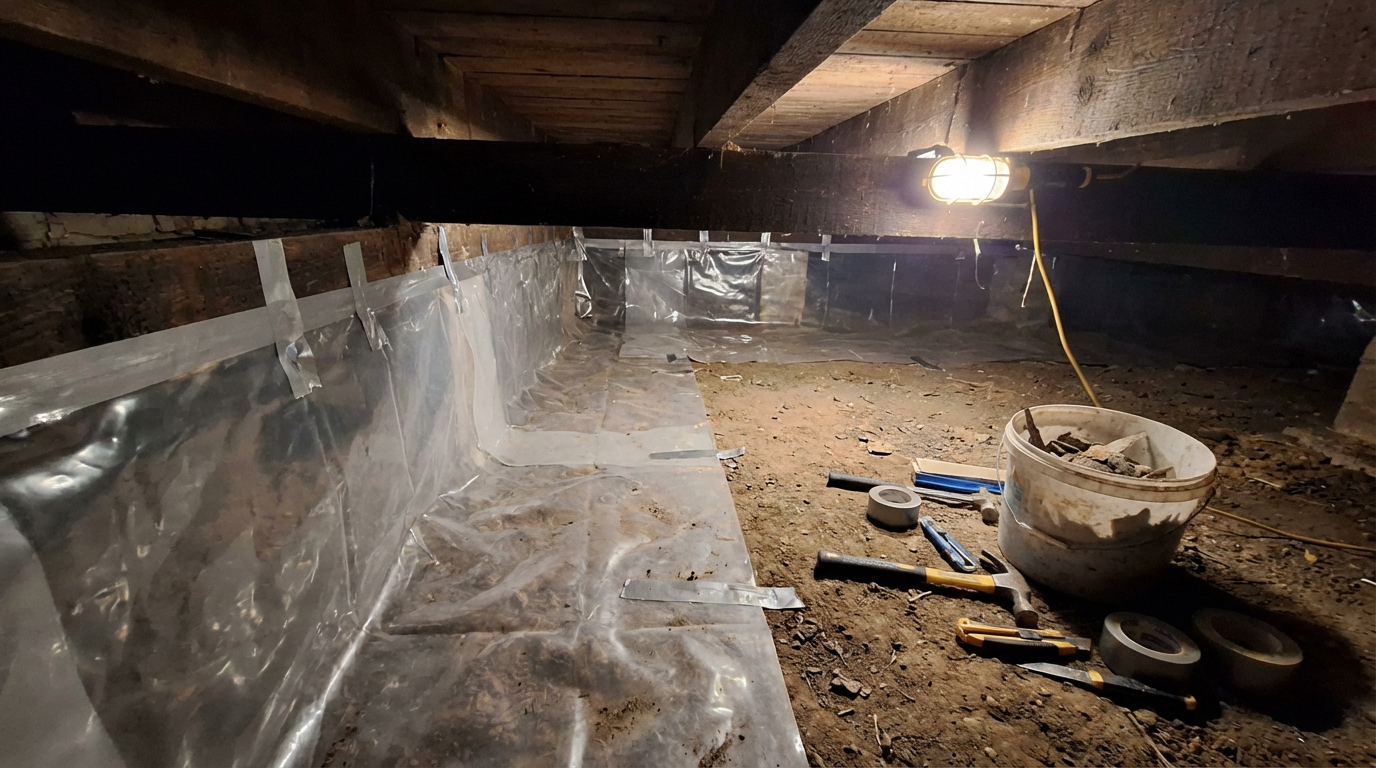
Renovation projects are often accompanied by the owner's stay or local business needs: dust control, noise windows and temporary facilities should be included in the construction organization. Comparison of images before and after the concealed project is demolished has long-term value for insurance and warranty communication.
Related case studies — Renovations & Extensions
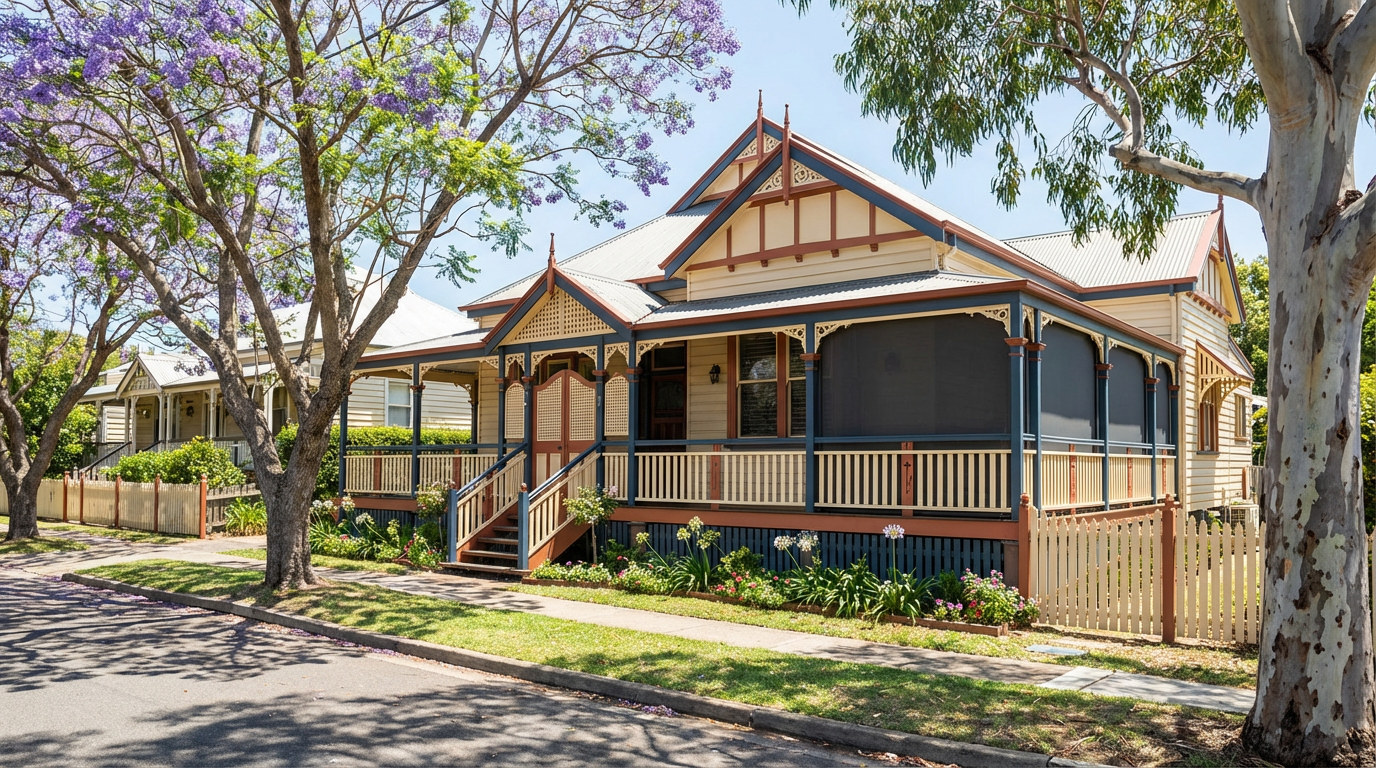
Focus on renovation of existing buildings, addition of interfaces and sensitive points in the neighborhood; individual cases are subject to contract and approval.
Renovation / addition case consultation
Briefly describing the construction year, whether to stay and live in, and the main renovation goals, we can provide common pre-screening and consultant types.
Business is governed by written contract, drawings, and approval documentation; this page is informational only and does not constitute an offer or guarantee. Project particulars are as agreed in contract and case write-ups.