
Exterior walls and coatings in coastal climates: Durability, maintenance intervals and construction options
The eastern coastline of Queensland is long, and the combination of salt spray, ultraviolet rays and high humidity erodes residential exterior walls and metal components much faster than inland. Many owners give priority to color and texture when choosing exterior wall finishes, but underestimate the role that maintenance cycles and detailed waterproofing play in determining durability. We believe that exterior wall systems for coastal homes should first answer three questions: where does the water enter, how does it escape after entering, and whether the structure is still protected after the coating fails.
On the material path, brickwork, plaster, siding, metal panels and composite systems each have applicable boundaries. If the joint quality of the brickwork is insufficient, salt crystallization and freeze-thaw cycles (at high altitudes or special microclimates) may accelerate weathering; the plastering system has high requirements for the stability of the base layer and the breathability of the coating; the hanging board system relies on ventilation of the cavity behind and a moisture-proof lining. There is no "best" system, only a "more appropriate" combination given a specific orientation, cornice protection and maintenance intentions.
Coatings are not only decorative but also the first chemical barrier. The system matching of primer and topcoat, the moisture content of the base layer, the construction temperature window and film thickness control will all affect the service life. We recommend clarifying the cleaning and recoating cycles in the construction specifications, and stating the "recommended inspection year" in the delivery documents, rather than waiting for large-scale peeling to react.
The areas around windows and wall penetrations are high-risk areas for salt spray penetration. After the sealant ages, water enters the wall cavity along the inside of the window frame and may appear on the indoor side. We emphasize the systematic installation of sub-frames, waterproof and breathable layers and metal flashing sheets, rather than relying solely on glue. When repairing, you should also avoid replacing only the visible parts of the interior and ignoring the outside path.
Exterior insulation or reflective coatings can be beneficial from an energy perspective, but the impact on water vapor migration and condensation interfaces needs to be evaluated. Some highly reflective coatings have requirements on the type of substrate, and incorrect application may result in adhesion failure. We recommend seeking written advice from material manufacturers and energy consultants before making major system changes, and retaining sample trial coating areas for observation.
Landscaping and sprinkler systems can also be sources of moisture on exterior walls. Automatic spraying that wets a certain area of the wall for a long time will amplify the aging of the coating and the growth of microorganisms. The relationship between the nozzle range and the wall should be included in the review at the master drawing stage.
For owners, acceptable maintenance frequency should be aligned during the design phase. If you want "ten years of less maintenance", you need to invest more upfront costs in system selection and details; if you accept regular repainting and minor repairs, you can be more flexible in the choice of finishes. Our company will assist customers to make a transparent comparison between life cycle costs and initial investment, rather than unilaterally making decisions for customers.
Insurance and warranty clauses often exclude liability for damage caused by "lack of maintenance." Therefore, the maintenance checklist is not only a technical document but also a risk management tool. We will confirm each item with the customer during handover.
During the construction stage, coastal projects should pay more attention to the pollution and scratches caused by scaffolding on the wall, as well as the problem of salt carried by the sea breeze adhering to the new coating before it solidifies. Adjust operating periods and protective measures if necessary.
Aluminum alloy and stainless steel fasteners may still undergo electrochemical corrosion in salt spray environments if they are in direct contact with dissimilar metals and there is an electrolyte film. Fastener selection and isolation gaskets should be configured according to the environmental level.
For wooden exterior walls, attention should be paid to the end sealing and bottom clearance to avoid long-term immersion in capillary water absorption and splashing water. The paint system should cover all visible and serviceable surfaces, including backs and cutouts.
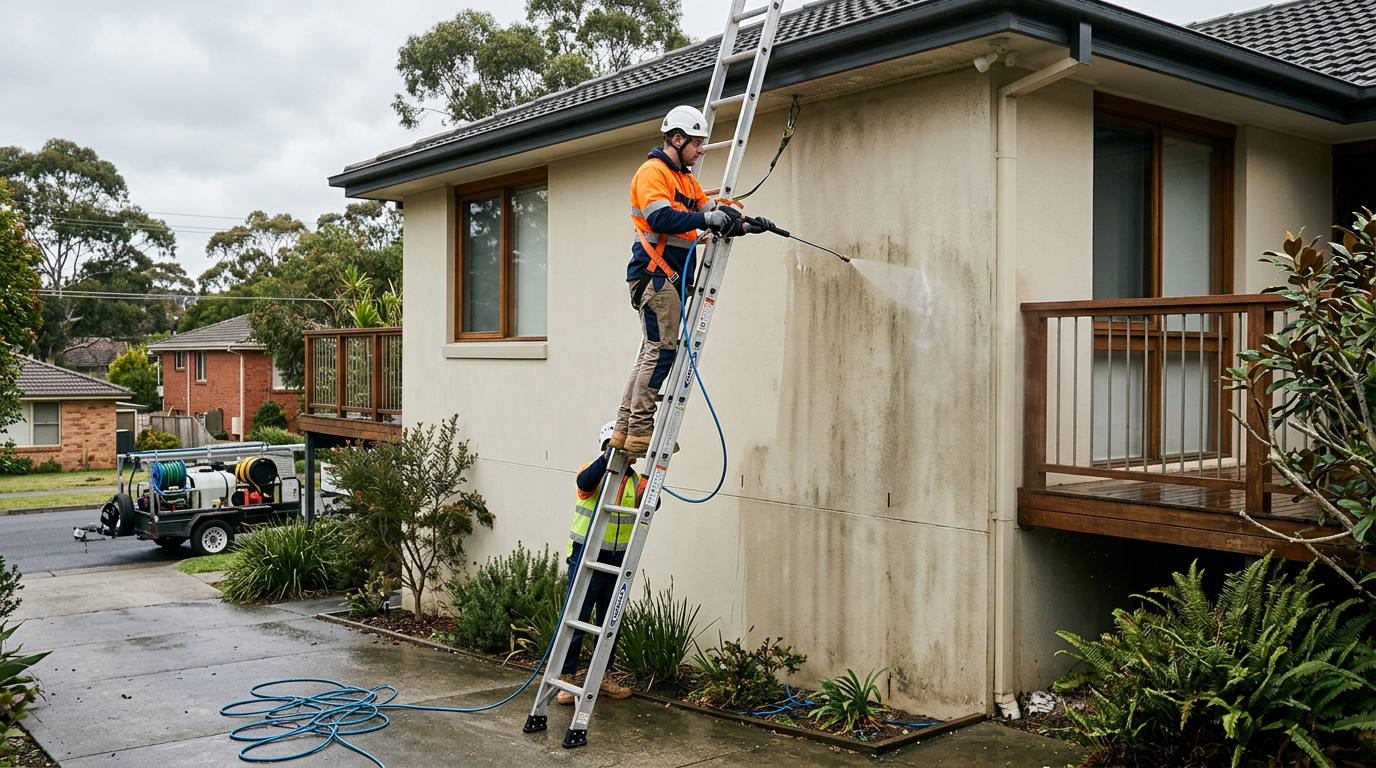
The salt crystal weathering of stone and brickwork in coastal areas requires regular low-pressure cleaning and joint maintenance. Improper use of high-pressure water guns may damage the surface layer.
If the metal roof coating is scratched and the base material is exposed, it should be repaired locally as soon as possible after discovery to prevent rust from spreading along the cut.
A checklist before typhoon season should include gutter debris, loose decorative components, and temporary fence fixings. We recommend including a quarterly inspection reminder with the handover document.
The welds and bolt caps of metal railings and handrails in offshore residences are the starting point for corrosion. During maintenance, inspection should focus on the integrity of the coating and the areas where water accumulates.
When the modulus difference between the flexible exterior wall coating and the rigid base layer is large, cracks in the base layer will be reflected to the coating. It is necessary to evaluate the stability of the base layer or select a higher elongation system.
The amount of salt spray deposition on the windward side facing downward from the sea breeze is different from that in the vortex area. The maintenance period should be set by zone instead of being unified for the whole building.
If the cavity behind the louvers and perforated metal panels cannot be drained, salt spray crystallization will accelerate local corrosion. Details should be provided with drip lines and drainage holes.
If the glass interlayer of the lighting roof becomes foggy due to water ingress, it is often necessary to replace the entire unit. When designing, priority should be given to systems with reliable edge sealing and accessible maintenance.
Missing drip lines on overhanging balconies will cause vertical pollution streaks on the facade and accelerate coating powdering. Such details should be inspected compulsorily during the facade detailing stage.
If the cutting edges of fiber cement siding boards are not sealed, coastal salt spray can easily invade from the edges and cause expansion and delamination. The edge sealing paint should be applied according to the manufacturer's requirements.
If non-stainless steel roofing metal plate fixing nails are used in seaside projects, the rust of the cap head will contaminate the plate surface and weaken the fixation.
If the bottom of the outdoor wooden grille is in direct contact with the pavement surface and is not elevated, capillary water and splashing water will cause root rot. Stone piers or metal feet should be provided.
After the seal around the glass connecting claw of the curtain wall awning has aged, water often seeps into the indoor ceiling along the steel cables or brackets. Maintenance requires checking the weather sealing of the barge joints.
The difference in wind pressure on upwind walls and negative pressure on downwind walls in coastal high-rise buildings results in different rainwater infiltration patterns. Node design cannot simply replicate the experience of low-rise buildings.
Polymer modified coatings may powder faster in areas with strong UV rays. Before recoating, the powdered layer should be completely removed and a compatible primer should be used, otherwise the service life of the new coating will be reduced.
When bare concrete walls are directly exposed in seaside projects, salt spray and carbonization will occur simultaneously. The thickness and density of the protective layer are more important than surface painting.
If the capping stone of the roof parapet is tilted inward, rainwater will penetrate into the insulation layer along the inner edge. The roofing drainage slope and drip line should be specially inspected and accepted.
If the water accumulated in the back bolt hole of the external stone cannot be drained, the anchor area may deteriorate due to capillary and salt crystallization in winter. Drainage channels should be provided in details.
Although light-colored coatings can lower surface temperatures, they are more likely to become dirty during high pollution or pollen seasons. Maintenance and cleaning frequency may be higher than that of dark-colored systems, which should be stated in the design expectations.
If the junction between the metal cornice board and the wall is only relying on sealant without mechanical fixation and dripping structure, it will easily be lifted up during strong winds and rainfall, resulting in chain water seepage.
If the outdoor wooden platform has too dense seams and no drainage slope, rainwater retention will accelerate mildew; the seam width and keel slope should match the local rainfall intensity.
If the water absorption rate of external wall rock wool insulation in coastal projects is high, the high-humidity environment between typhoons may cause an increase in self-weight and changes in the load of fixed parts. Hydrophobic products should be selected and the seams of the panels must be sealed.
If the facade adopts a deep groove shape, dust accumulation and salt crystallization at the bottom of the groove will accelerate the failure of the coating. Maintenance channels and cleaning anchor points should be considered in the design stage.
Polyurethane foam spray insulation is sensitive to the moisture content of the base layer and ambient temperature. If it is not controlled under high humidity and night dew weather at the beach, bonding failure and surface powdering may occur.
If dark metal plates are used for exterior walls, the surface temperature will rise significantly in summer, and insufficient ventilation in the cavity behind may accelerate the aging of the moisture-proof membrane. The height of the cavity and the area of the vents should be checked.
If silicone sealant is incompatible with certain stone exudates, it will cause softening and contamination of the glue joints. Compatibility tests should be conducted for stone protection and glue type selection.
If the exterior wall uses long horizontal siding boards, the positions of the end heads and vertical expansion joints must be set according to the manufacturer's requirements, otherwise thermal expansion will cause waves on the board surface or tearing of nail holes.
If the drainage pump in the light well and semi-underground courtyard fails, the accumulated water may flow back into the living space on the ground floor. The redundancy and alarm of the pump should be measured during handover.
If the exterior wall is made of porous stone such as natural travertine, salt spray areas are more likely to absorb moisture and form salt, so the type of protective agent and recoating cycle should be higher than those for inland projects.
If the thermal expansion coefficient of the metal edge sealing of the roof eaves is significantly different from that of the wall coating system, a combination of slidable mechanical fixation and weather-resistant sealing should be used at the interface.
If the balcony floor drain is connected to a rainwater pipe and it is prohibited by the local area, the transformation into a sewage pipe may involve re-grading and waterproofing. It is recommended to comply with the regulations during the construction period.
Outdoor steel ladders and steel platforms should be hot-dip galvanized and weather-resistant coating systems at the seaside. Relying only on on-site painting often does not last long.
If the exterior wall uses ceramic panel curtain wall, the anti-corrosion level of the pendant and keel should match the coastal environment, otherwise pitting corrosion of the pendant will lead to the risk of loosening of the panel surface.
Outdoor wooden handrails and railings in salt spray areas should use wood with a higher anti-corrosion level or switch to weather-resistant composite materials, and ensure that the end sealing paint is complete.
If a satellite antenna and lightning protection system are installed on the roof, the down conductor and waterproof penetration point should be designed in an integrated manner to avoid drilling holes in the future that will damage the roof system warranty.
If the outdoor low-voltage electrical interface and garden light junction box are not waterproof enough, the salt spray environment will accelerate terminal corrosion and cause malfunctions or even hidden dangers.
If the exterior wall uses precast concrete hanging panels, the size of the panel seam sealant and backing strip should adapt to the thermal displacement. If the glue seam is too narrow, it will bulge and fail in summer.
If the interlayer of outdoor glass railings is made of UV-resistant film, it may delaminate and fog early under strong sunlight at the beach. You should check the film grade and the manufacturer's coastal case.
If the ends of the roof eaves wooden sealing boards are not sealed with drip lines and primer, rainwater rising along the fibers will cause the coating on the back to fail.
If a dry-hanging stone ventilation cavity is used for the exterior wall, a balance between bottom drainage and top ventilation must be maintained in the cavity. Over-sealing will lead to moisture retention.
If the outdoor metal awning underside uses ordinary paint without anti-condensation insulation, water dripping may occur at high humidity nights, affecting the safety of the entrance pavement.
If the facade uses a large area of glass curtain wall, the cleaning and maintenance system anchor points and the roof safety rope fixing points should be integrated during the design stage to avoid later damage to the waterproofing by expansion bolts.
If there is no waterproof membrane and drainage on the inside of the outdoor brick flower pond, long-term irrigation water may seep into the adjacent floor and foundation.
If the metal louver fixing screws break the continuity of the waterproof layer, they should be restored using special gaskets and compatible seals in the system.
If the metal cover on the top of the roof parapet is not coordinated with the thermal expansion of the wall coating, the bulge may open the seal at the corners in summer, causing long-term water seepage hazards.
If the outdoor wooden handrails are screwed directly into the screw holes without pre-drilling holes, the ends will easily crack and water will enter. The diameter of the pre-drilled holes should be selected according to the moisture content and diameter of the wood.
If the exterior wall uses highly sensitive thermal insulation such as vacuum insulation panels, on-site openings and anchoring must be strictly carried out in accordance with the manufacturer's restrictions. Otherwise, failure of the core material will lead to a sudden increase in local thermal bridges.
In coastal projects, if the drainage slope of the exterior metal expansion joint covers is reversed, rainwater will accumulate in the joints and accelerate the corrosion of fasteners.
If the polished surface of the outdoor step stone is insufficiently non-slip on rainy days, in addition to using non-slip surface materials, the drainage slope and drip line should also be ensured.
If a glass railing base is installed on the roof and is directly anchored to the waterproof layer, prefabricated kits or secondary flashing should be used around the base to avoid scattered puncture points.
If the surface of exterior wall rock wool boards is exposed for a long time and the surface layer is not sealed in time, wind erosion of the fibers may affect the skin health of workers and reduce the integrity of the insulation.
If dark clay bricks are used on the facade and the wall heat storage is high in summer, the peak air conditioning load in the indoor west-facing room may be significantly higher than the model assumption, and the energy documents should be reviewed.
If the outdoor metal canopy drainage risers are laid close to the exterior wall without insulation, cold bridges and condensation zones may form on the exterior wall despite the short winter.
If a thin plastering system is used for the exterior wall, excessive deviation in the flatness of the base layer will lead to uneven plaster thickness and dry shrinkage cracks concentrated in thick areas.
If the anti-slip strips of outdoor steel stair steps are only fixed with adhesive, they will easily fall off after salt spray and heat cycles, so they should be supplemented by mechanical anchoring.
If a photovoltaic cable tray is installed on the roof, prefabricated waterproof supports should be used where the bridge support penetrates the waterproof layer to avoid on-site opening patches.
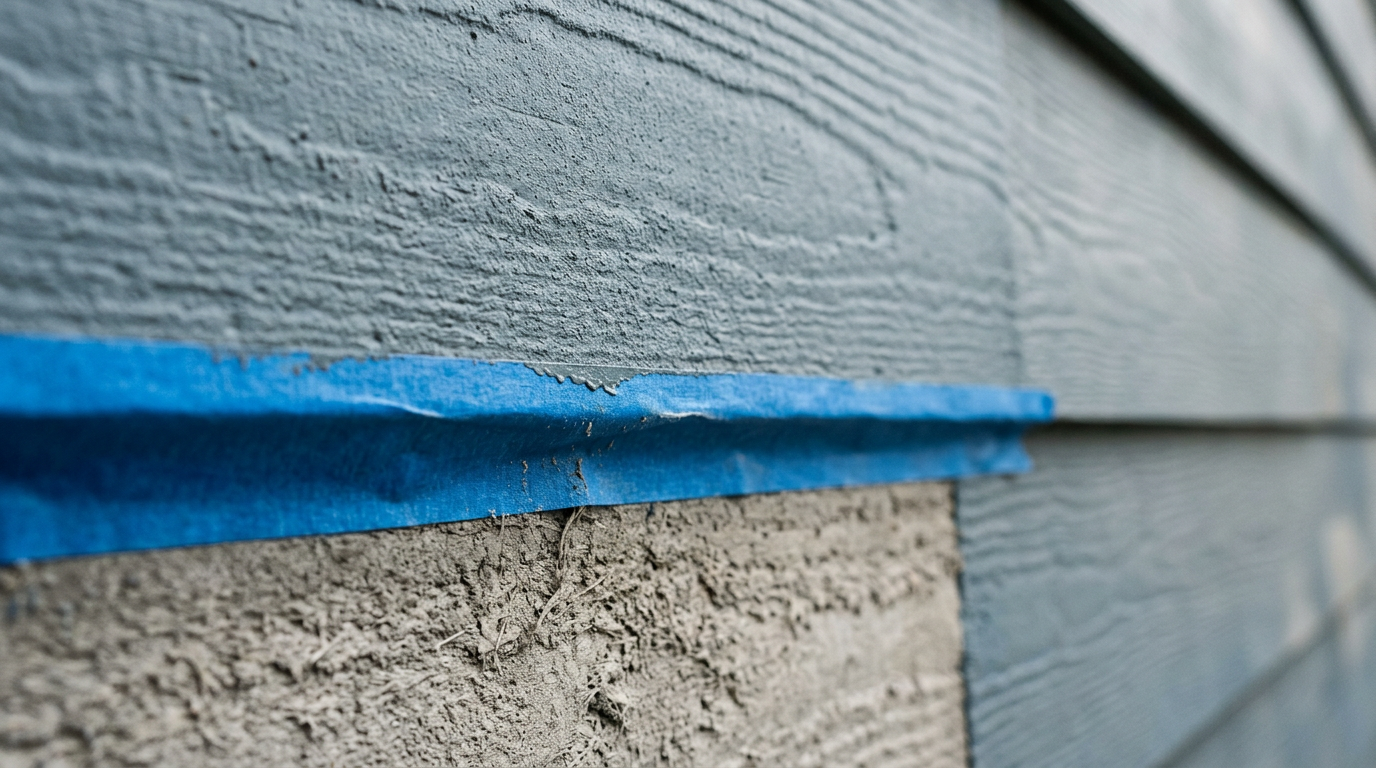
If the color separation line of outdoor paint is located at the corner of a complex concave and convex shape, the manual color separation by workers is easy to be skewed. The template or masking process should be marked on the drawing.
If the exterior wall adopts an open rain screen cavity, the bottom fireproof sealing and insect netting should take into account both ventilation and fire protection and are indispensable.
If there is no anti-corrosion primer on the back of the outdoor metal grille and only topcoat is applied, rust will spread outward from the cuts and solder joints.
If the exterior wall is finished with limewash, the compatibility with the original coating needs to be evaluated during re-maintenance. Improper covering will lead to peeling and staining.
If there is no expansion gap at the junction of the wooden fascia board and the metal roof at the roof eaves, the expansion of the metal in summer will squeeze the wood, causing nail holes to tear and water seepage.
If the exterior wall uses textured thick coating, local repairs are prone to texture inconsistencies. The maintenance manual should indicate the minimum repair unit and transitional sanding range.
If the outdoor concrete roof is not reinforced with reinforcement or the protective layer of the reinforcement is insufficient, it will easily crack along the thickness direction under dry and wet cycles, and rainwater will flow directly into the insulation cavity.
If the outdoor coating construction encounters condensation on the wet base, moisture retention under the film will cause early blistering and powdering.
In coastal projects, the inside of the exterior wall deformation joint cover should be prevented from nesting by birds and blocking drainage, and needs to be cleaned during maintenance.
If your property is close to the coast and the exterior walls have shown early signs of deterioration, it is recommended to commission a professional assessment as soon as possible to distinguish between "surface coating problems" and "structural water intrusion problems". The content on this page does not constitute a specific diagnosis conclusion, and the implementation plan is subject to on-site investigation.
← Return to Insights overview