
Double-storey Detached homes on steep slopes: coordinated planning of surface runoff and basic moisture protection
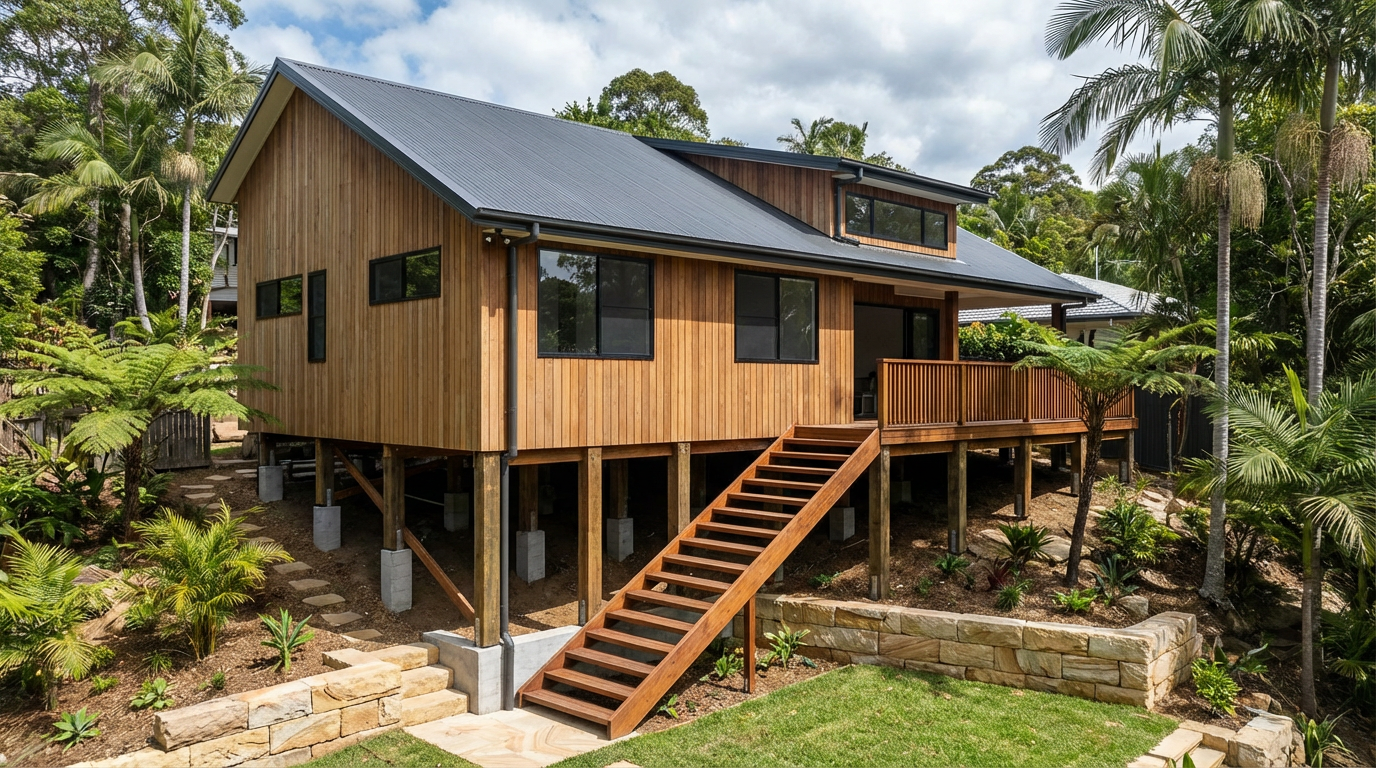
The project is located on a sloping land in the suburbs of Queensland, with a significant height difference within the red line. The original site drainage relied on historical soil ditches and lateral runoff from neighbors. The owner hopes to complete the main body of the double-layer detached homes and outdoor driveway while retaining the tree canopy and minimizing the height of the retaining soil. The main difficulties are: the uphill water surface points towards the corners of the building during heavy rains; the uneven density of the existing fill layer; and the need to maintain the stability of the temporary road during the construction period to prevent mud from entering the municipal road surface.
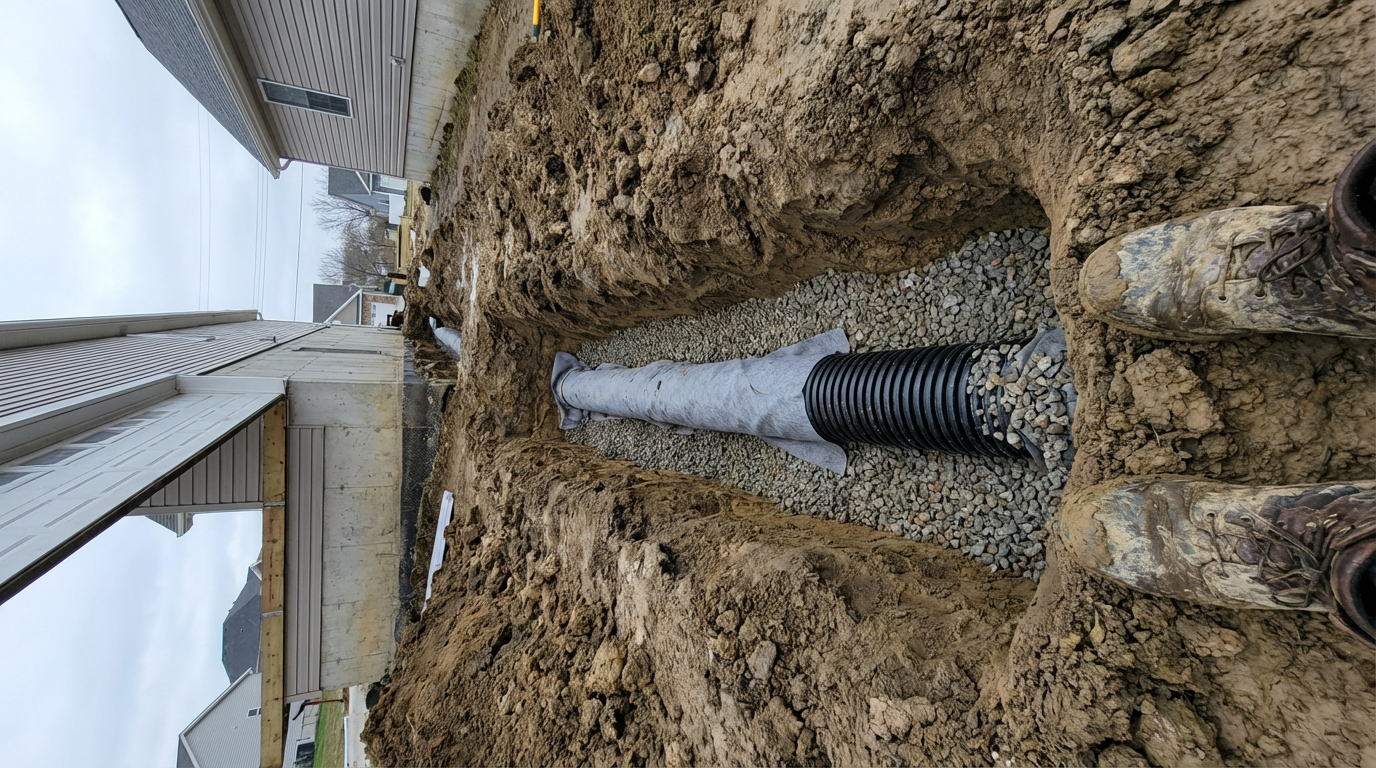
We worked with the client and the designer to first delineate the water catchment zones, align the rainwater paths on the roof and hard pavement with the vertical model of the site, and clarify the assumed return period and overflow direction of each section. During the structural stage, segmented excavation and temporary support are used. A pressure-reducing drainage blind ditch is set up between the retaining wall and the foundation cushion. The collected water is directed to a permitted sedimentation area and then connected to the municipal rainwater system. The elevated bottom floor adopts a combination of moisture-proof membrane, cushion layer and ventilation cavity to prevent the rise of capillary water from affecting storage and mechanical and electrical spaces.
In terms of construction organization, we set concrete pouring, waterproof membrane construction and backfill layered compaction as continuous stop points, and record the density of each layer of backfill. Temporary water intercepting ridges and thatch covers are set up at the junction with adjacent plots to reduce the impact of lateral runoff on neighboring courtyards. The roof and gutter joints are constructed according to the system layout, and the dripping water from the eaves is adjusted in conjunction with the slope of the first-floor water distribution to prevent rainwater from splashing against the wall.
In terms of effectiveness, during the first rainy season of the project, the owner observed no long-term water accumulation around the foundation and abnormal condensation on the overhead layer; no complaints about mud pollution were received during municipal inspections. The as-built data includes drainage calculation assumptions, hidden project photos and material batch records to facilitate traceability during future renovations. Our experience in this kind of terrain is: first "arrange" the water clearly in the plane and vertical direction, and then discuss the facade and interior decoration. Otherwise, later remediation often involves removing the exterior finished surface.
This case also reflects that the provisions regarding site drainage and sediment control in the approval conditions need to be implemented simultaneously with construction logistics. If you have a similar sloping project, it is recommended to introduce a joint review of the general plan vertical and drainage consultants in the early stage of the plan, and reserve a reasonable buffer for meteorological uncertainty and supplementary surveys in the contract.
In terms of mechanical and electrical coordination, rainwater riser maintenance channels and lighting are arranged on the overhead layer to avoid damaging the moisture-proof system during future maintenance. The outdoor steps and ramps have room for modification according to the barrier-free concept, and the railing base anchoring and waterproofing are formed at one time.
From a cost perspective, the "hidden costs" of steep slope projects often appear in iterations of drainage and support; during the quotation stage, we list drainage enhancement plans under different rainfall assumptions as optional line items, allowing owners to make an explicit trade-off between budget and risk, rather than having to argue afterward.
From the perspective of quality records, this project retained random inspections of backfill compaction, random inspections of waterproofing membrane overlap width, and concrete slump records, forming a chain that can be compared with inspection reports. This practice can also shorten interpretation time during a resale home inspection or insurance appraisal.
Landscape backfill and planting soil are scheduled to arrive after the key waterproofing and protective layers are completed to prevent heavy vehicles from rolling over the substandard base layer. If the owner later builds a swimming pool or a large water storage tank, the site drainage and support conditions should be re-evaluated.
This project does not constitute a commitment to other similar plots of land; the hydrology and soil quality of sloping land are greatly different, and the implementation plan needs to be demonstrated on a case-by-case basis and shall be subject to the contract and drawings.
Live images (schematic)
← Return to Portfolio overview