
Full-home renovation under heritage-style controls: structure and streetscape in parallel
The existing house sits under local character guidance: ridge height, eaves profiles, and street-visible materials are constrained. The building is an older timber frame with brickwork, with local joint opening at settlement lines, roof leaks, and ageing electrical services. The owners wanted better structural safety, waterproofing, and energy performance without increasing the footprint, plus improved kitchen and bathroom circulation.
Any external change must satisfy consultant review and neighbour perception; internal strengthening (sister joists, steel bands, plates) has to align with moisture management so we do not create new thermal bridges or condensation risk. We work from the inside out: re-establish load paths and the moisture line indoors first, then reinstate visible façade elements to approved colour schedules and details. Where approval allows, we upgrade roof insulation and glazing and run continuous air-control layers in sensitive zones.
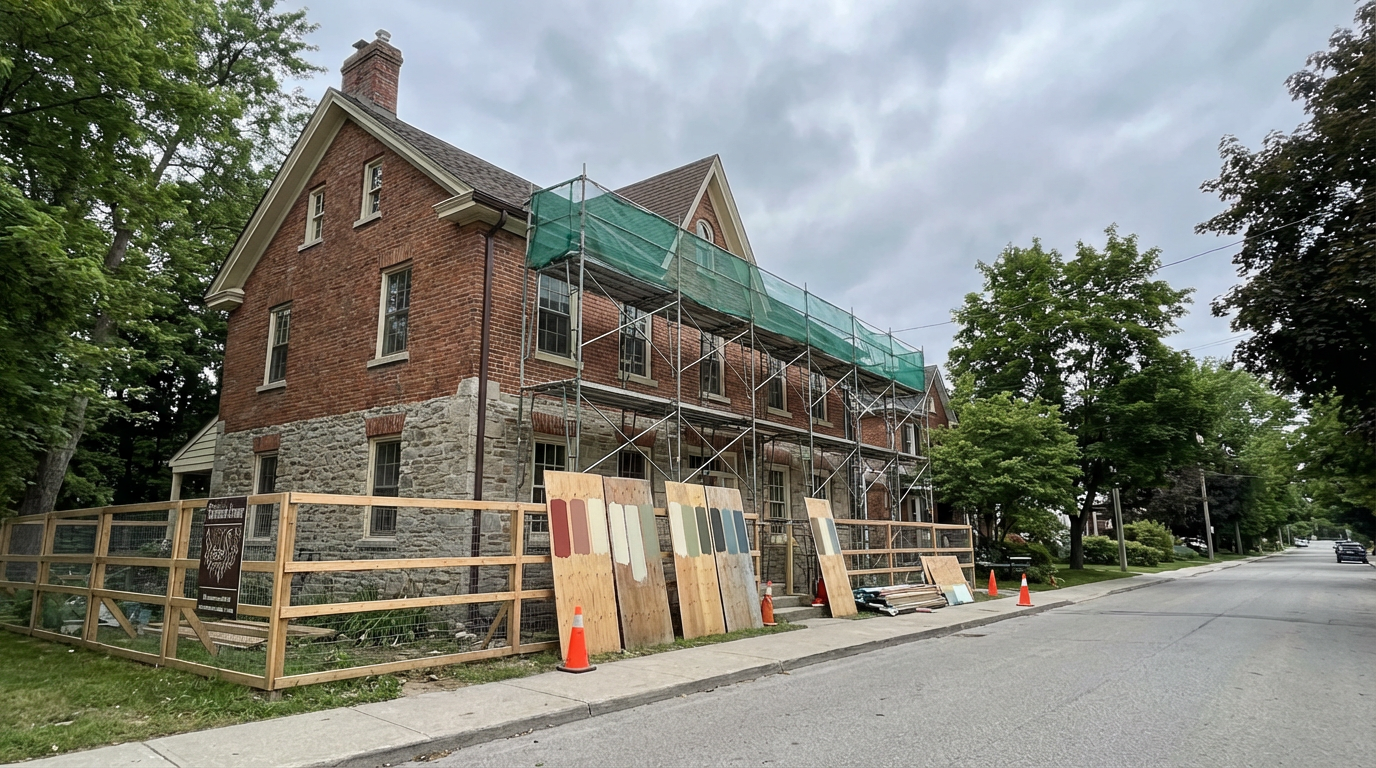
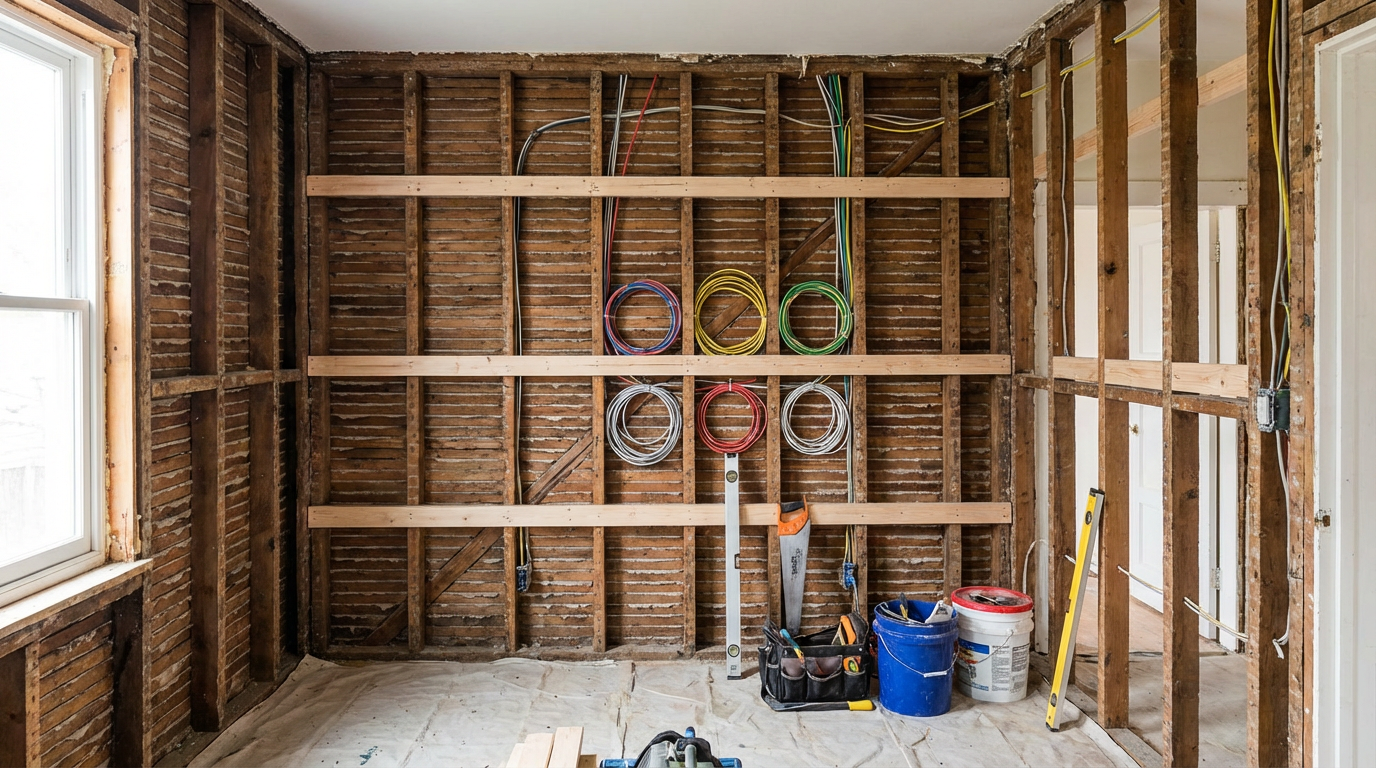
On site we use zoned hoarding and dust control to limit impact on the street and neighbours. Before strip-out we complete asbestos and lead-paint screening per regulation; where opening finds decay or insect damage, we replace locally per the structural engineer. Before linings close we photograph and sign off checklists so reinforcement location and sizes match the drawings.
Outcomes: structural calculations align with inspected work; the street elevation meets the heritage comparison; comfort and energy use improve measurably against the pre-renovation baseline. Owners receive zoned maintenance notes and a photo archive at key nodes. The lesson is not “you cannot change anything” but to write the viable technical path into the approval set and programme early, reducing last-minute compliance risk.
Wet areas use zoned flood tests; falls and floor wastes are jointly signed off before finishes. Kitchen power and hydraulic points are frozen with the joinery shop drawings to avoid late penetrations that damage waterproofing or fire stopping.
Externally we help owners lodge material samples and colour cards with street advisers, photographed in consistent daylight to limit subjective colour disputes at completion. Hoardings and façade nets follow council guidance and are secured ahead of wind warnings.
The project confirms that structure and envelope before decoration still applies under character controls: finishes can flex for reviewers; load and moisture lines should not oscillate. If your property is in a similar context, commission structural assessment and a character compliance matrix early.
Electrical works include board location and earthing upgrades; old cabling is removed and recycled per code. Smoke and CO alarm layouts are coordinated with ceiling construction so fire stopping stays continuous.
Window replacements are checked against glazing ratio and energy documentation; glass performance and frame thermal breaks update together. As-built energy paperwork matches site labels to limit inspection RFIs.
This case shows systematic gains in safety and comfort are still possible under character constraints; approval paths vary by council and site — follow your consultants’ advice.
Where door openings move and walls may be load-bearing, openings follow engineer-issued revisions only — no “rule of thumb” penetrations. Above-ceiling services and access panels are numbered consistently and shown on as-built drawings.
Site imagery (illustrative)
Back to Portfolio overview