
Backyard Extensions and Lightwells: Balancing Privacy, Sunlight, and Waterproof Interfaces
The owner plans to add a single-story living space to the back of the main house and install a small light well to improve the basement stairwell. Setbacks at the plot boundary are tight, and the height of the neighbor's side windows and fences have become sensitive factors. At the same time, if the rainwater on the additional roof is not handled properly, it is easy to cause splashing and leakage complaints at the junction.
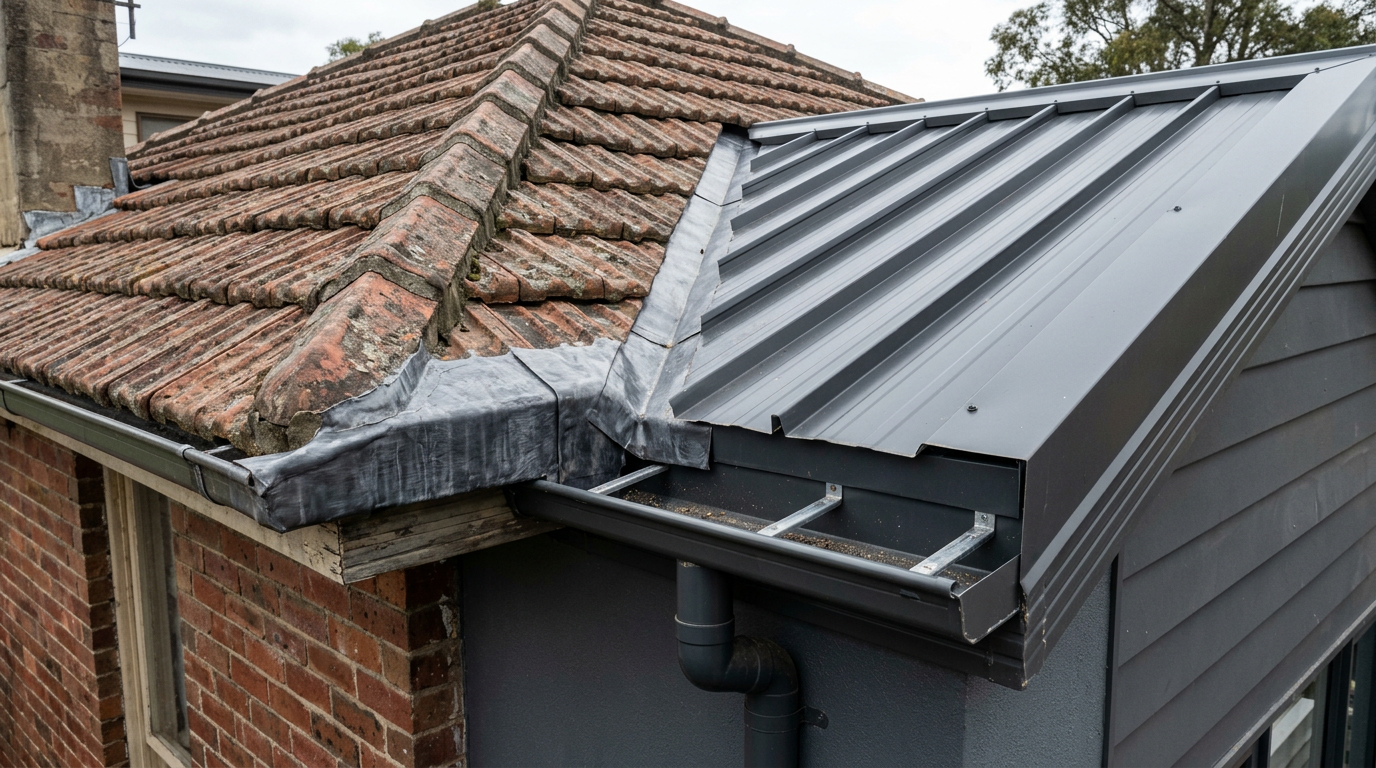
We cooperated with the architect to review the setback and height control lines, and directed the additional roof drainage to the water catchment area away from the boundary. We also used a low-impact overhang and flashing system near the common wall to prevent rainwater from directly hitting the neighbor's courtyard. Drainage boards and seepage layers are installed around the lighting well to prevent irrigation water from surrounding flower beds from seeping into the new wall base. The structure adopts the strategy of independent foundation and settlement joints to reduce the shearing of the waterproof layer caused by the differential settlement of the old and new bodies.
During the construction period, a fixed communication window was established with neighbors, and scaffolding arms, material hoisting paths, and operation periods were notified in advance. Set a monitoring photo baseline for foundation excavations that may produce vibrations to avoid subsequent disputes. The indoor finished surface and electromechanical points are confirmed using sample sections to reduce the disruption to the construction schedule due to rework.
After the completion of the project, the extension area and the main house were smoothly connected in plane and elevation, the illumination in the lighting well area reached the design target, and there were no reports of water seepage in the common wall during the rainy season. Owners reported that the living circulation is more reasonable and the basement is used more frequently. We conclude that the core risk of boundary extension projects is not the building area itself, but the "externalities" of waterways and sightlines. The earlier the rainwater path is clearly drawn using sections and cross-sectional perspectives, the easier it is to avoid later disputes.
In terms of energy conservation, the roof and exterior wall insulation are added to connect with the main house system to prevent thermal bridges from forming along the old and new intersection lines. The air-conditioning load is reviewed according to the updated enclosure parameters, and the outdoor unit platform is equipped with maintenance channels and organized discharge of condensate water to prevent dripping water from disturbing neighbors.
The document delivery includes an index of waterproofing nodes where the extension area meets the main house, instructions for drainage maintenance of light wells and recommended inspection intervals. If the owner subsequently expands the yard or adjusts the fence, the impact on the drainage path can be assessed accordingly.
During the construction period, protective measures will be set up for the fences and vegetation on the neighbor's side, and protective mats will be laid under the hoisting route. When a local weak soil layer is discovered during foundation excavation, the replacement and filling range shall be expanded according to the engineer's instructions and photos shall be retained.
The addition of a roof takes into account future photovoltaic installation loads and maintenance access reservations, but it does not mean that the power system design and grid connection permission have been completed; the owner's subsequent installation should be entrusted separately.
This project emphasizes the methodology of "externality management" of boundary projects. The specific dimensions and nodes are subject to the drawings and approval documents of the property and cannot be applied to other parcels of land.
The glass roof of the lighting well shall be made of laminated safety glass and cleaning accessibility shall be considered. The sealant brand and compatibility shall be confirmed in writing by the manufacturer. Before the rainy season, owners are reminded to clean fallen leaves from drainage channels.
The connection between the insurance coverage of the addition and the existing main house policy must be confirmed by the owner and broker, and the builder will provide technical description and completion date certification for assistance.
The new outdoor steps and platform railings are pre-embedded according to load specifications to prevent the owner from damaging the waterproof foundation when installing railings later.
If solar energy is considered when building a new roof, the structurally reserved embedded parts and roof penetration casings can be formed at one time before waterproofing construction to reduce the number of holes opened later.
This project is a methodological description de-identified. The area, cost and specific address have not been disclosed. If you need to evaluate similar additions, please submit the site and drawings through formal channels.
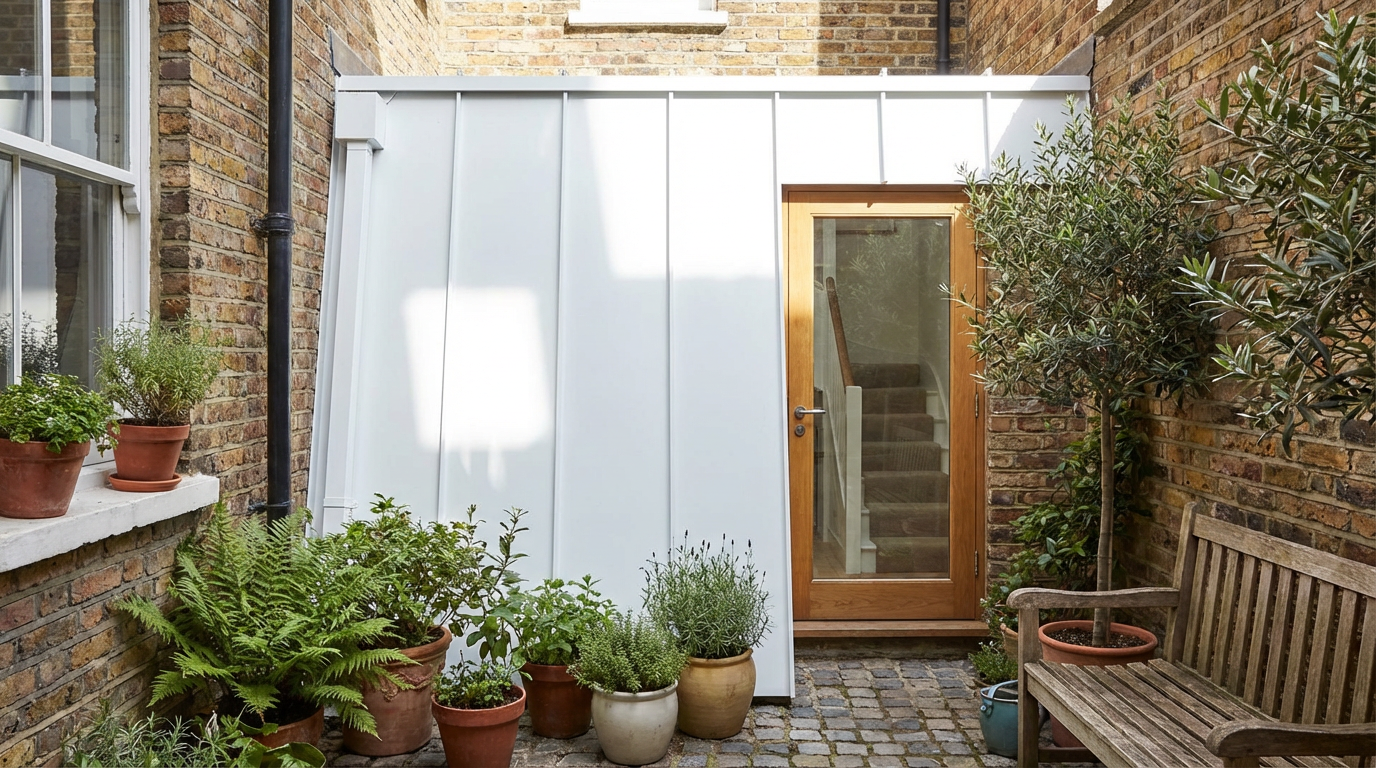
Live images (schematic)
← Return to Portfolio overview