
Duplex strata house: common wall waterproofing, sound insulation and mechanical and electrical shaft interface management
The two sets are arranged in mirror images, and the common wall simultaneously serves as a structure, sound insulation and fire barrier. The roof has asymmetric water distribution, and the low-side eaves are more susceptible to splashing water and wind pressure rainwater. In terms of mechanical and electrical aspects, the kitchen and bathroom exhaust, rainwater risers and weak current entrances are concentrated near the common wall, with dense penetration parts.
We compiled an interface matrix to list the responsibilities, sealing levels and inspection nodes of each type of penetration parts, and jointly confirmed them with the waterproofing subcontractor and electromechanical subcontractor during the drawing review stage. The roof construction adopts the order of strengthening low-side flashing first, and then connecting the entire membrane. The capacity of the gutter and rainwater bucket is checked according to the intensity of local rainstorms. The interior decoration thickness on both sides of the common wall is different, and the sound insulation structure is provided with a transition pattern at the turning point to prevent the nailing system from damaging the sound insulation layer on the neighbor's side.
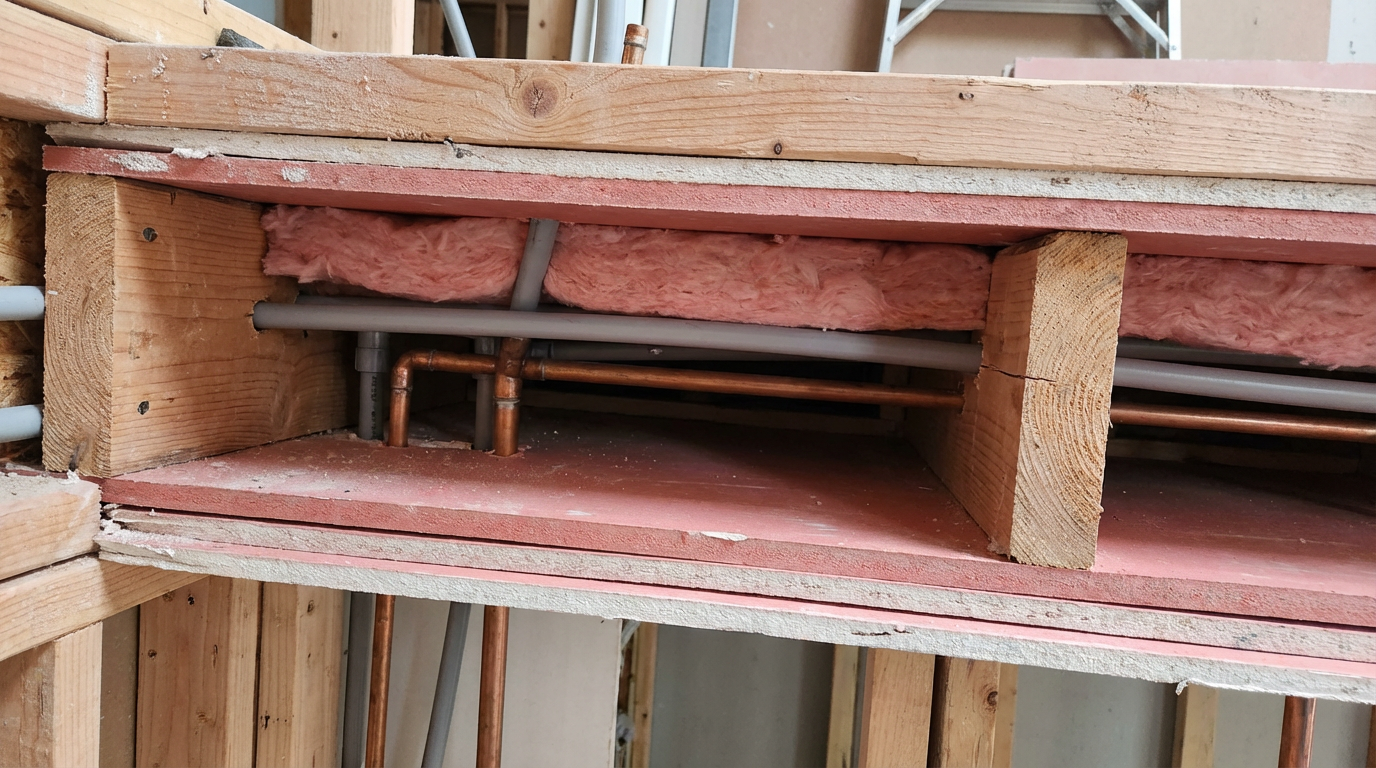
Before capping, the list of penetrating parts should be checked and fire blocking photos taken; the rainwater and sewage ball passing and water filling tests should be carried out and recorded in accordance with specifications. Concrete foot guards and water dispersion slopes are set up on the outdoor common wall to reduce splashing water from soaking the wall footings for a long time.
After completion, the two sets of models passed inspection respectively, and there were no leakage or cross-talk complaints from the common wall; the strata management drawings and hidden records can be used for subsequent maintenance. This model illustrates that the quality of duplex projects often depends on whether the "penetrating parts management" is systematic, rather than simply improving the grade of finishes.
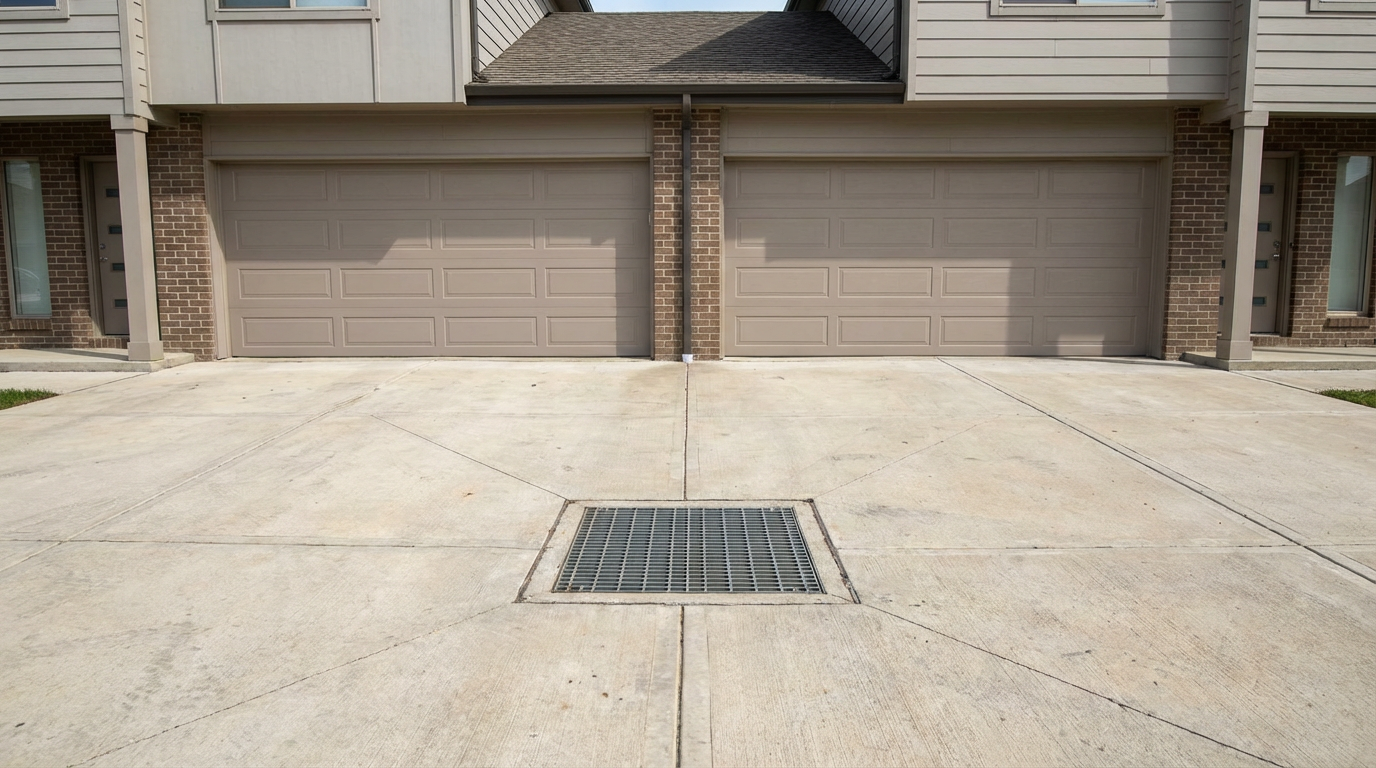
During the outdoor engineering phase, the pavement slope of the driveway and parking spaces and the location of the rainwater outlets should prevent rainwater from flowing to the base of the common wall. Landscaping backfill is highly controlled to prevent the garden cover from lifting and causing the moisture barrier to fail. If the roof photovoltaic bracket is installed later by the owner, the completion instructions indicate that the overlapping sequence of the flash sheets and the membrane must not be damaged.
The relationship between the height of the oil fume outlet and the wind direction in the two-type kitchen has been evaluated through simple smoke flow, which reduces the possibility of the oil fume swirling and adhering in the grooves of the common wall. Although this detail is not mandatory, it has a significant impact on the stay experience.
After installation of anti-theft and sealing strips on garage doors and entrance doors, perform spot checks for water spraying to prevent heavy rain from penetrating and soaking the indoor floor. If smart home sensors are installed on both sides of the common wall in the future, random openings in the fire barrier should be avoided.
This project illustrates that risks in shared-wall residences can be reduced through interface matrix and stop point management, but it does not rule out new penetration requirements brought about by future changes in usage behavior; major renovations should be re-evaluated.
The set boundaries in the strata solicitor documents and construction drawings should be cross-checked to prevent inconsistencies between descriptions of stormwater riser maintenance responsibilities and physical locations.
In addition to meeting the minimum specification value, the height of the roof fan and exhaust outlet should also be combined with the prevailing wind direction to prevent exhaust gas from opening adjacent to the window; if necessary, add a hood or deflector.
If one side of the shared-wall apartment is occupied first and the other side is still under construction, the temporary sound insulation and dust sealing should reach an acceptable level, and the time limit for responding to complaints should be agreed in the contract.
If dehumidification equipment is shared in the basement or elevated floor, the control strategy and drainage pipe routing should be indicated on the drawings to avoid being blocked and unable to be repaired during the decoration stage.
After the duplex project is completed, it is recommended that both parties jointly keep a joint roof and gutter inspection record as baseline information for strata maintenance responsibilities.
A water flow test should be conducted before the drains of the kitchen and laundry equipment are connected to prevent decoration waste from clogging the common pipe section; the completion instructions state the disposal specifications for grease and fiber.
If a high-pressure water gun is used for cleaning outdoor common wall facades, the pressure and angle should be controlled to avoid forcing water into the cavities of brick joints.
This project is De-identified case studies, and the technical conclusions do not automatically apply to other dual-pin projects.
Live images (schematic)
← Return to Portfolio overview