
Three sets of rows: facade module, material batch and phased scaffolding organization
There are subtle differences in the width and floor height of the three sets of models. If the facade grids are optimized separately, the brick joints and window lintel lines will not be aligned, which will affect the street view and waterproof overlap. In terms of materials, batch color differences of roof tiles and exterior wall tiles need to be controlled; there is a risk of edge protection handover when dismantling scaffolding partitions.
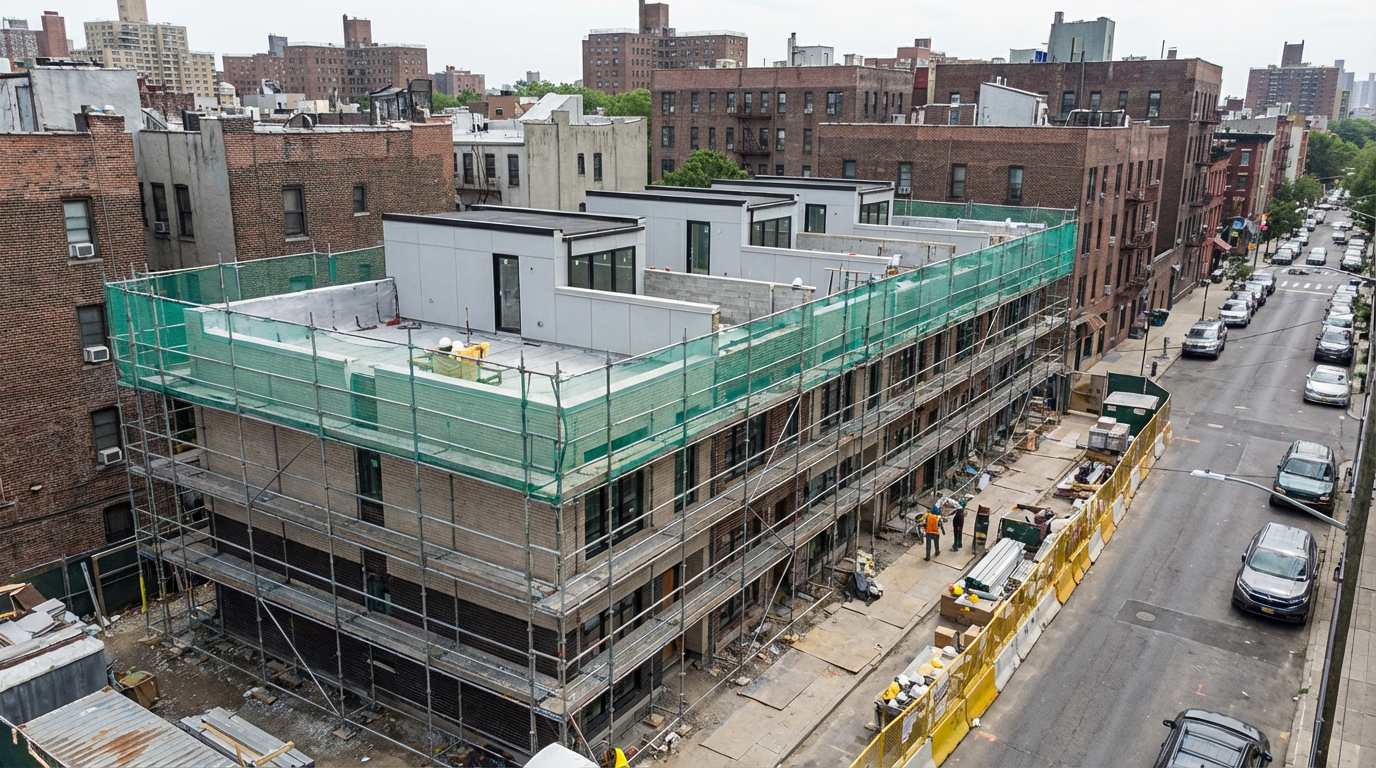
Before deepening the facade, we determined the horizontal baseline and vertical division principles of the entire project, and unified the module for the outdoor air-conditioning unit, raindrop pipe and electric meter box. During the ordering stage, the combined ordering strategies for bricks and tiles from the three manufacturers were written into the purchasing plan, allowing controllable color jumps to serve as a buffer for batch differences. The scaffolding plan clarified the zoning conversion sequence and neighbor protection responsibilities, and reiterated them at the morning meeting.
The rainwater system is laid out according to the principle of "no water accumulation in corners and no erosion", and the location of permeable paving and sump pits is closed to the elevation of the municipal interface. After the roof project is completed, random inspections of gutter water storage and node photography will be carried out, and then the work will be handed over to the exterior wall subcontractor.
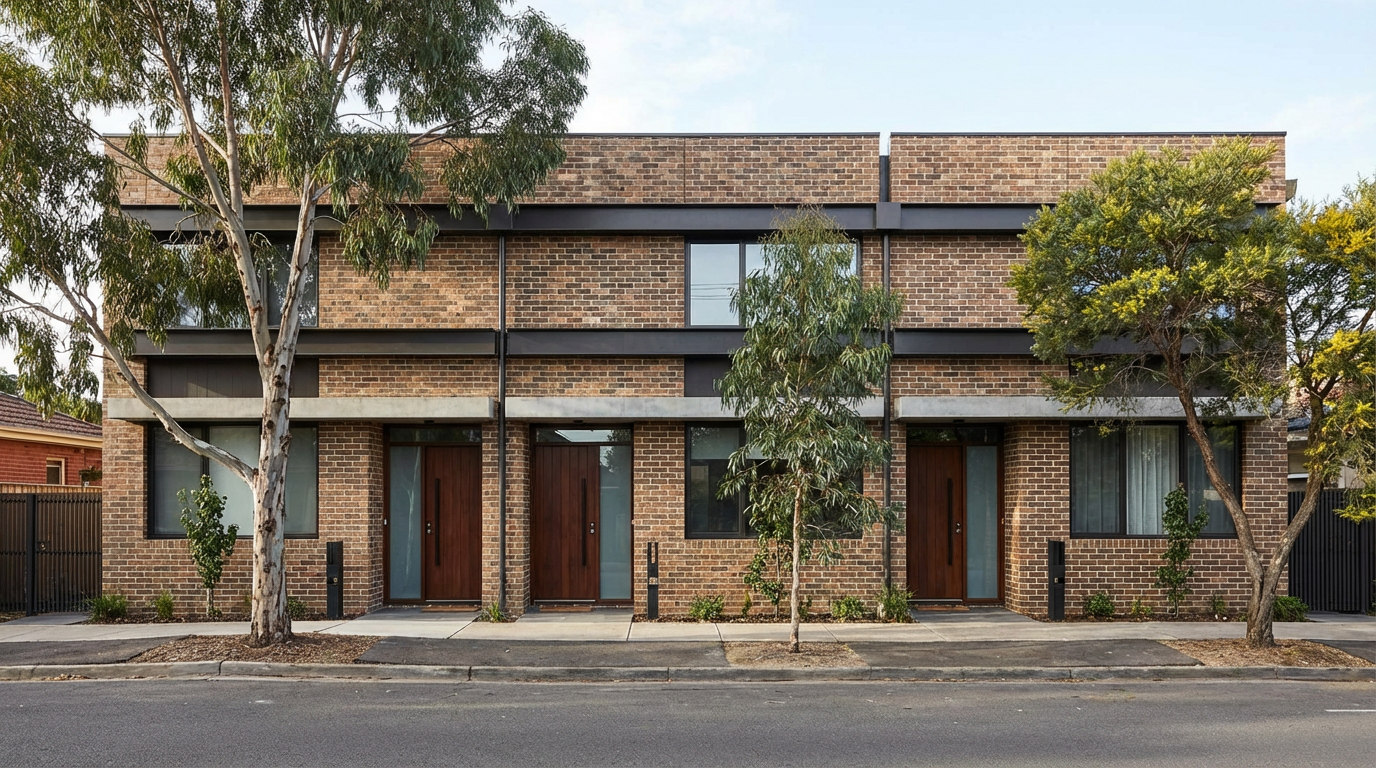
When the project was delivered, the facade lines were straight, and the neighbors commented favorably on the consistency of the streetscape; no rework due to color difference or grid misalignment occurred. We understand that the "urbanity" of townhouse projects comes from the discipline of modules, rather than a single set of flamboyant shapes. By moving discipline forward to drawings and orders, on-site disputes will naturally be reduced.
In terms of construction safety, the row roof ridges are continuous, temporary anti-fall and tool anti-fall measures are installed during roofing operations, and continuous protective railings are maintained when scaffolding is removed in separate areas. The material hoisting path should avoid the sky above the neighbor's yard. If necessary, adjust the tower crane or use small machinery.
In terms of warranty communication, the three sets of models have a unified maintenance contact window, and the defect list is filed according to the set number to avoid cross confusion. This arrangement is particularly critical to customer experience in smaller developments.
Organize a joint house inspection before delivery, and list defect levels and sales dates by room to avoid confusion during the centralized delivery period. The installation of outdoor signs and mailboxes does not destroy the continuity of waterproofing and insulation.
This project reflects the benefits of linking in module and batch management, but fluctuations in market material supply may still affect the batch strategy, which requires dynamic adjustment and communication with the owner during the ordering period.
Curbs and drainage ditches are installed at the intersection of outdoor parking spaces and green belts to prevent car wash and rainfall runoff from soaking the building with water for a long time.
The lighting and security wiring of the joint entrance porch use unified wire troughs to prevent the three households from cutting out walls individually and damaging the common wall to prevent moisture. A trunking route diagram will be provided upon completion.
The numbers of the three sets of roof rainwater buckets and risers are consistent with the on-site labels in the as-built drawings, which facilitates subsequent unblocking of the property. Gutter trash removal is written into the owner's manual.
The end of the row gable wall is easily affected by the prevailing wind and rain. The flashing and thermal insulation closure on this side are strengthened, and the main points of seasonal inspection are mentioned in the instructions.
If the owner later renovates the door awning, he should review the impact on adjacent suites of lighting and rainwater splashing, and submit a small report for approval if necessary.
When the joint project is delivered, a unified format of equipment and waterproof warranty cards will be provided, which will list the boundaries of responsibilities and contact information to reduce the fragmentation of information among the three owners.
After the scaffolding is dismantled, special repairs and spot inspections of water leakage will be carried out on the penetration points and tie rod holes of the exterior wall to prevent any leakage risks left behind.
The path of materials going upstairs and the stacking load are checked to check the floor bearing capacity to avoid cracking or excessive design deflection caused by concentrated stacking.
For townhouse projects, it is advisable to photograph and archive the facade panorama before completion to facilitate future insurance claims and comparison of appearance disputes.
The above is a compilation of De-identified case studies and does not constitute an offer.
Live images (schematic)
← Return to Portfolio overview