
Replacement of moisture-proof layer in old wooden houses: construction during residential period and indoor environmental protection
When the owner renovated the kitchen and bathroom, he discovered traces of long-term moisture and insect infestation at the base of the wall. Traceability revealed that the original moisture-proof layer and floor system had aged, and the wooden floor joists were partially decayed. Since it is impossible to move out in the short term, construction is required during the residence period, which puts forward higher requirements for dust, noise and temporary water and drainage.
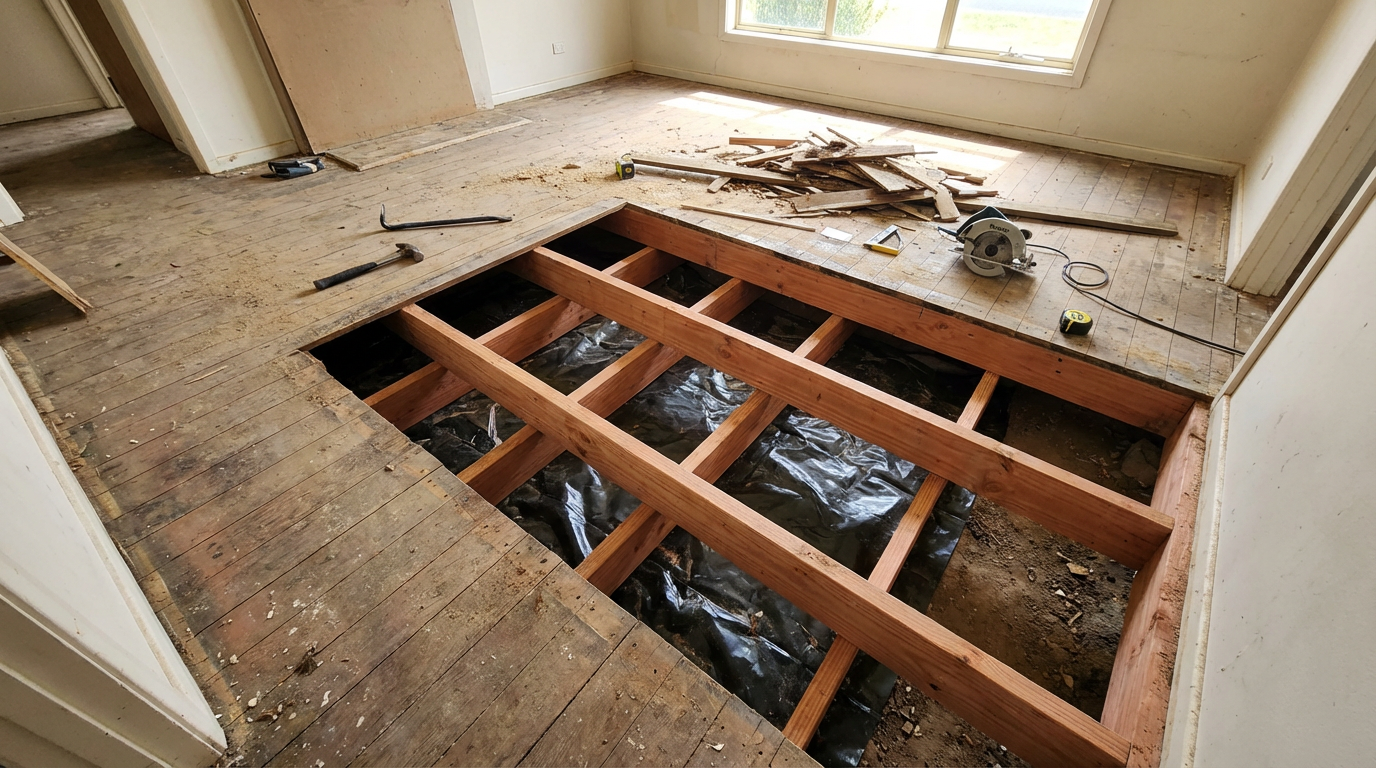
We first do selective opening and moisture content monitoring to confirm that the main source of moisture is the coexistence of capillary rise and local leakage. The plan removes the floor and wall base finishes in sections, retains the structural components that are still in service, replaces moisture-proof membranes, cushions and anti-corrosion wooden keels, and sets drainage slopes and ventilation cavities at key interfaces. The construction area and the living area are separated by negative pressure dust curtains and temporary door buckets, and they are cleaned and vacuumed at the end of the day.
In the process, a chain inspection of "drying-protection-laying-sealing" is adhered to, and each section is photographed and the moisture content reading is archived before sealing. Reserve temporary washing points and independent drainage paths for kitchens that are still in use to prevent domestic sewage from seeping into the unsealed base.
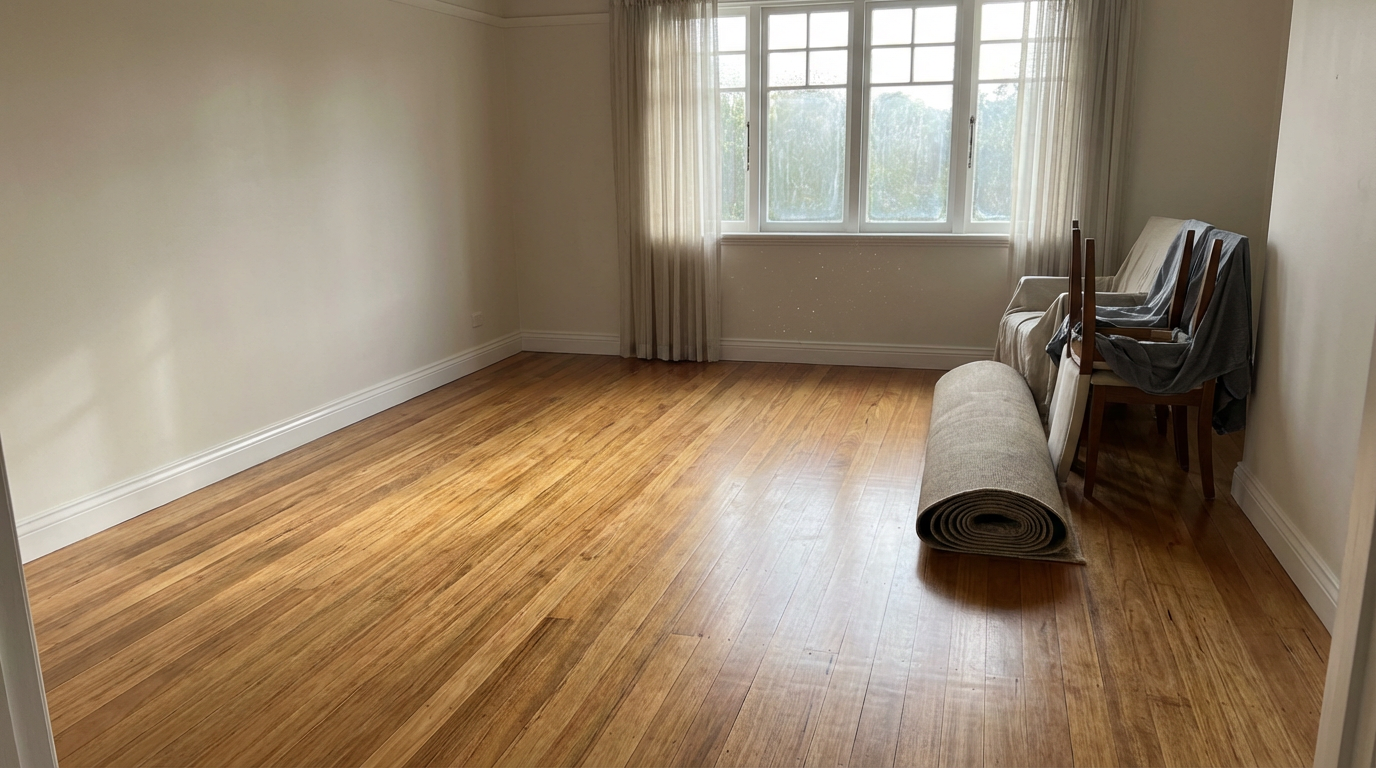
After completion, the symptoms of moisture at the base of the wall disappeared, the wooden floor felt stable, and the indoor air quality met the agreed indicators in the retest. The owners were able to continue living in the house and complete the gradual renovation of the remaining rooms. The lesson from this type of project is: During residential construction, the "life activities" must be written into the construction plan, otherwise it will be difficult to continue to implement the technical plan no matter how correct it is.
Suggestions for follow-up maintenance include: check the slope of outdoor water distribution and flower bed boundaries before the rainy season to avoid artificially raising the covering soil; regularly check whether the ventilation openings of the overhead layer are blocked by storage; and re-apply protective paint on the wooden surface according to the manufacturer's cycle.
The project also reminds that pest control and moisture-proof replacement of old wooden houses should be coordinated. If only one of them is done, the other problem may be exposed again in a few years. We recommend that the handling process and valuation mechanism for “discovery of decay” be clarified within the scope of the contract.
In terms of noise control, high-noise processes are concentrated in windows during the day, and vacuum attachments are used for impact drills; only silent repairs are performed at night. If neighbors raise reasonable concerns, the project manager will record the response measures and time in the log.
If the whole house is renovated in the future, it is recommended to re-evaluate the overall moisture-proof path instead of partial superposition to prevent the interface between the old and new systems from getting out of control. The lesson from residential construction is that communication is as important as process.
Before reinstalling the wooden floor, retest the moisture content of the base layer to confirm that the drying curve is stable after moisture-proof replacement to avoid arching of the new floor. The owner's own furniture should be brought in to avoid rooms where wet work has just been completed.
If insecticide spraying is required for pest control, it must be strictly carried out according to the certified personnel's plan, and the evacuation time for sensitive people and pets shall be written in the owner's notice. Ventilation and cleaning after construction shall be completed according to regulations.
If the insulation of historical wires is found to be aging in the wall, replace them in regular sections instead of partial connections to reduce arc hazards. The time window for upgrading distribution capacity and applying to the power supply company is determined by the owner.
After completion, a brief maintenance training will be provided to the owners: how to observe early moisture marks on wall bases and floors, and when to contact professionals to reduce minor problems from turning into major repairs.
This project is a De-identified case study to illustrate the feasible organization method of moisture-proof replacement during the residential period; the specific method must be adapted to the age, structure and use conditions of the house.
If the bathroom is subsequently expanded, the drainage slope and waterproofing height should be re-evaluated to avoid overlapping failure of the old and new waterproof layers.
Although winter is short, it is still recommended to check the status of the waterproof glue joints on the exterior wall windowsills and balconies before the temperature drops, and repair small cracks as soon as possible.
Live images (schematic)
← Return to Portfolio overview